

Skip to content

Same Day Air Charter Texas

Texas is a logistics powerhouse due to its sheer scale, diverse industries, and strategic location. The Lone Star State handles a significant volume of high-value freight – for example in 2024, Texas airports handled approximately 2.5 million tons of air cargo.

Major airports like Dallas/Fort Worth (DFW) and Houston Intercontinental (IAH) rank among the nation’s busiest cargo hubs, each moving hundreds of thousands of tons per year. Beyond airports, Texas also boasts the country’s top inland port at Laredo (a gateway for U.S.-Mexico trade, with over $339 billion in commerce last year), underscoring the state’s central role in supply chains.

WHAT IS AIR CARGO CHARTER?

In this environment air cargo charter services have become indispensable for time-critical shipments. An air cargo charter is the dedicated hire of an entire aircraft for one customer’s freight, on a schedule and route that the customer specifies. This is different from scheduled air freight, where shipments travel on set airline routes and timetables alongside other cargo. With a charter flight, you have exclusive use of the plane – meaning it can depart immediately and fly directly to the exact destination required, even if that route isn’t normally served by commercial flights. Air charters also differ from expedited ground shipping: while same-day trucking and courier services are useful for regional moves, they are ultimately limited by highway speed and distance. When you face a cross-country or international deadline of just hours (not days), even the fastest truck can’t compare to an aircraft.

Learn More

TALK TO AN EXPEDITOR NOW

Get a Quote in Minutes for Your Time-Critical Freight Needs

How Texas Air Cargo Charter Works

Moving freight from Point A to Point B via a Texas air cargo charter involves precise planning, rapid decision-making, and coordination across the state’s aviation network. Below is an overview of the typical end-to-end process flow for an on-demand air cargo charter operating within Texas or connecting Texas to other U.S. destinations:

The process begins when a shipper determines that standard freight options are insufficient and requests a Texas air cargo charter. This is typically initiated through direct contact with an air charter provider or by submitting an urgent quote request. Once aircraft availability and routing are confirmed, a ground vehicle is dispatched to collect the cargo. Because air charters are time-critical, pick-ups can occur at any hour and are scheduled precisely to align with aircraft departure slots. The shipper must have the cargo properly packed, weighed, and documented prior to pickup. After collection, the shipment is transported directly to the designated Texas airport—often a regional or executive airport selected for proximity and speed rather than a major commercial hub.
Upon arrival at the departure airport in Texas, the cargo is delivered directly to the charter aircraft or fixed-base operator (FBO). Unlike scheduled freight services, there is no consolidation with unrelated shipments; the aircraft is dedicated solely to the chartered cargo. This minimizes dwell time and handling. Any required security screening or documentation checks are completed quickly, and the aircraft is prepared for immediate departure. Texas’s extensive network of cargo-capable airports allows operators to bypass congestion and depart as soon as the aircraft and crew are ready.

Once airborne, the charter aircraft flies directly to the destination, whether that is another city within Texas—such as Houston, Dallas, San Antonio, or El Paso—or an out-of-state location. Flight timing is dictated entirely by the shipper’s requirements, not by airline schedules. Throughout the flight, the charter operator actively monitors progress, weather conditions, and airport status to ensure on-time arrival and to make real-time adjustments if necessary.

After landing at the destination airport, ground handling begins immediately. Because Texas air cargo charters often utilize FBOs or less congested airports, unloading is rapid and streamlined. For domestic shipments, the cargo is transferred directly to a waiting truck or courier for final delivery, often within minutes of touchdown. If the charter involves cross-border cargo (such as Texas–Mexico operations), customs clearance is coordinated in advance to minimize delays. The result is a tightly controlled, end-to-end logistics solution tailored specifically to the demands of time-sensitive cargo moving through Texas.

Key Logistics Hotspots in Texas

  • Houston (Greater Houston Area): Houston is a global logistics center, particularly for energy and petrochemicals, and it’s a hotbed of air charter activity. The region’s main airport, George Bush Intercontinental (IAH), handled over 552,000 metric tons of air freight in 2022 – a record for Houston’s airport system. This capacity and infrastructure (including huge cargo terminals and plenty of freighter parking) make Houston a go-to for charter operators, especially those handling heavy lift and project cargo. Many energy companies based here rely on charters to ship oilfield equipment and refinery parts worldwide on short notice. It’s common to see chartered jets in Houston loaded with drilling tools, subsea components, or generators headed to oilfields in Africa and South America, or out to offshore rigs in the Gulf. Inbound charters to Houston often carry machinery, large industrial components for the region’s factories, or even emergency relief supplies (Houston’s central location makes it a staging ground for hurricane relief efforts in the Gulf Coast).

  • Dallas–Fort Worth (DFW Metroplex): The Dallas–Fort Worth Metroplex is another pillar of Texas logistics and air cargo. DFW International Airport is the busiest cargo airport in the state – in 2021 it surpassed 1 million U.S. tons of cargo handled in a single year. DFW’s central location and expansive facilities attract both scheduled cargo airlines and ad-hoc charters. Charters out of DFW often support the region’s broad manufacturing and technology base. For instance, the aerospace and defense industry around Dallas and Fort Worth makes use of charters for urgent shipments of aircraft parts and military equipment. The presence of Lockheed Martin’s aircraft assembly plant in Fort Worth means there are occasional charters carrying things like jet engine components or avionics systems directly into Fort Worth Alliance Airport (a cargo-focused airport in the area) for time-sensitive defense contracts.

  • San Antonio: San Antonio’s air cargo profile is smaller than Houston or Dallas, but it has unique demands that charters fulfill. The San Antonio International Airport (SAT) handles a steady flow of cargo (around 108,000 tons in 2024, including integrator traffic like UPS/FedEx). Charters here tend to be driven by the city’s specific industries. A big one is automotive: San Antonio hosts Toyota’s manufacturing plant (building pickup trucks) and a network of suppliers. Time-sensitive medical shipments, such as biomedical samples or specialty isotopes for medical imaging, sometimes move by charter into SAT when they can’t wait for ground transport.

  • Austin / Central Texas: Austin has risen to prominence due to its booming tech industry and rapid population growth. While not traditionally a heavy cargo center, Austin-Bergstrom International Airport (AUS) has seen cargo volumes surge, making it the third-busiest cargo airport in Texas (about 137,000 tons in 2024). Much of Austin’s freight revolves around high-tech manufacturing and electronics. Accordingly, charters in Austin are often about high-value, time-sensitive electronics and equipment. For example, Austin’s semiconductor manufacturers (like the major fabs operated by companies such as Samsung or NXP) might use charters to import critical machinery or export urgent shipments of chips. If a semiconductor fab has a line down waiting for a tool that’s only made overseas, they will absolutely charter a plane to get it delivered in a day rather than lose millions in production by waiting a week or more.

  • Corpus Christi: Corpus Christi is a key Gulf Coast logistics hub, thanks to its port and energy industry facilities. While its cargo airport operations are modest compared to Houston, charters play a niche but important role here. Corpus Christi’s port is one of the largest in the U.S. for bulk commodities (like oil exports), and the area has several refineries and chemical plants. If those facilities need a part urgently – such as a valve or a boiler component – and it’s not available locally, an air charter might be the fastest way to bring it in from another state or country. For example, during a refinery turnaround (maintenance shutdown), if a replacement part is discovered to be needed, a charter could fly it directly into Corpus Christi International Airport so that repairs can finish on schedule. Additionally, the offshore oil and gas industry uses Corpus as a support base; heavy equipment or specialized tools for offshore platforms might be flown into Corpus Christi by charter and then transferred by helicopter or ship to the platform.
  • El Paso: El Paso stands out as Texas’s gateway to the U.S.–Mexico borderlands, and it plays a growing role in cross-border logistics. El Paso International Airport (ELP) has invested in cargo facilities, boasting a 288,000 square-foot air cargo complex that is the largest and most modern on the southern border. This infrastructure is aimed at facilitating seamless movement of goods between the maquiladora factories in Ciudad Juárez and markets in the U.S. and beyond. Air charters are a key part of El Paso’s logistics ecosystem. When Juárez factories (which produce automotive parts, electronics, medical devices, etc.) need to ship high-value or urgently needed products to U.S. customers, a charter out of ELP can often deliver them same-day, bypassing any border delays.
  • South Texas Border (Laredo & Rio Grande Valley): Further down south, the Laredo area and Rio Grande Valley form another critical border region for Texas commerce. Laredo is the busiest land port in the United States, handling an enormous volume of truck traffic. While most freight moves by road there, air charters provide a valuable relief valve for time-critical components crossing the border. For example, if a shipment is stuck at the border due to congestion or paperwork issues and it jeopardizes a just-in-time delivery, companies have been known to pull the cargo and charter an aircraft instead. Laredo International Airport can accommodate cargo planes, and a chartered flight from Laredo to an inland destination (like to a factory in the Midwest) might be arranged if it’ll beat the trucking time and meet a production deadline. Similarly, the Rio Grande Valley (with cities like McAllen, Harlingen, and Brownsville) has growing industries such as electronics assembly, aerospace testing, and even spaceflight development (SpaceX’s Starbase launch site is near Brownsville).

Oil & Gas (Energy Sector)

In the oil and gas industry, a breakdown or delay can cost a fortune. Texas’s energy companies deal with massive equipment and remote operations – from offshore rigs in the Gulf to drilling sites in West Texas. When a critical piece of equipment fails or a well is shut down waiting on parts, every hour of downtime means lost production (in some cases, potentially millions of dollars per day in lost output). Air cargo charters are a lifeline in these situations. Companies will charter anything from small jets to huge Antonov freighter planes to rush in replacement parts, tools, or even entire assemblies. For example, if a compressor at a refinery in Corpus Christi goes down, an on-demand charter can fly in a new compressor or the necessary repair components overnight, averting a prolonged shutdown. Oversized items like blowout preventers, pumps, or valves that are needed at a drilling site are also commonly moved by charter – often because they simply can’t arrive fast enough by ground or ocean.

oil-industry

Manufacturing & Industrial (Including Automotive)

Manufacturing plants – whether producing automobiles, electronics, or heavy machinery – run on tight schedules. In Texas, which hosts everything from automotive assembly lines to aerospace manufacturing, charters are the emergency response plan for supply chain disruptions. A classic example is the automotive industry: if a key supplier fails to deliver a component, an assembly line like the Toyota truck plant in San Antonio could face a costly shutdown. Rather than halt production, the manufacturer will charter a plane to bring in parts either from another facility or even internationally to arrive just in time. Beyond automotive, general industrial companies might use charters to ship a replacement industrial robot, a custom tool, or a batch of specialty raw materials to keep factories running. 

manufacturing-industry-same-day

Aerospace & Aviation (AOG Support)

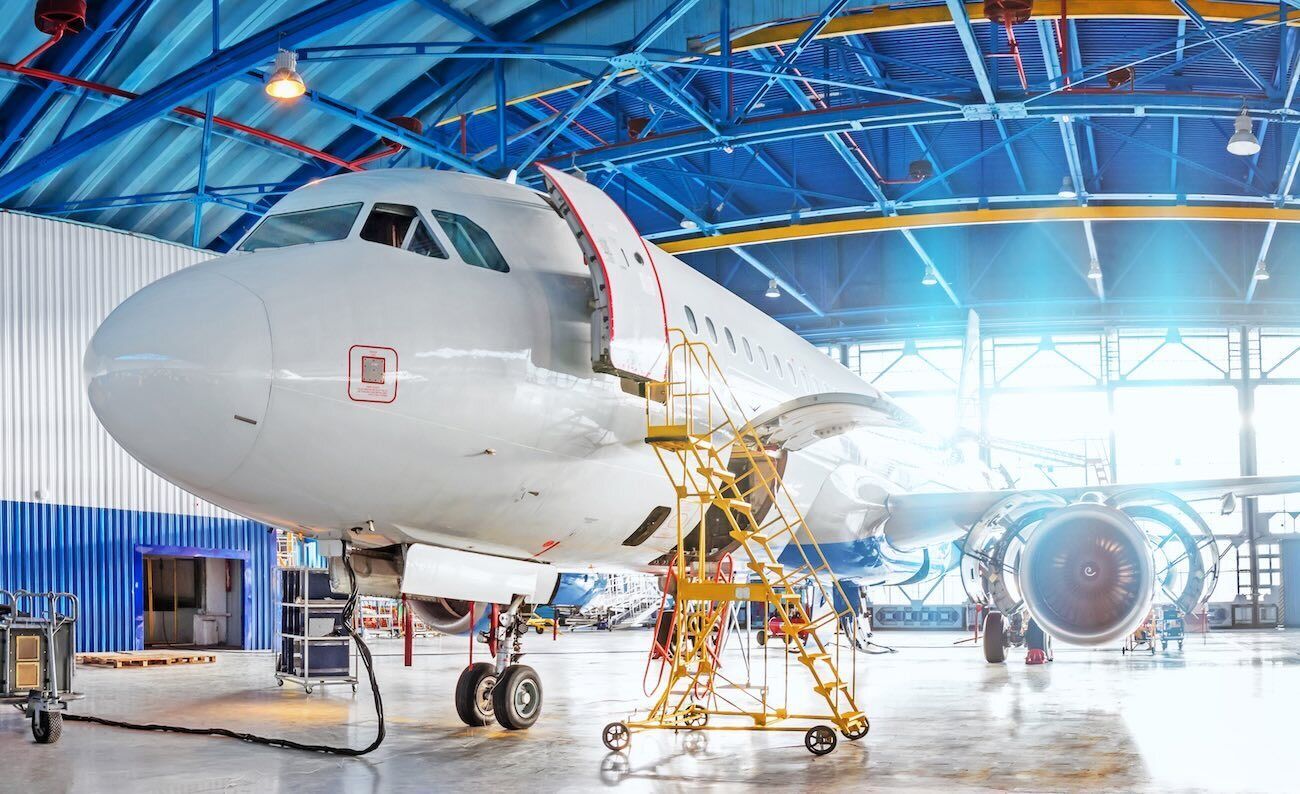
Texas has a significant aerospace and aviation presence – from the NASA Johnson Space Center in Houston to aircraft manufacturing in Fort Worth (Lockheed Martin) and maintenance hubs in Dallas and San Antonio. In the aviation world, AOG (Aircraft on Ground) is the dreaded scenario where an aircraft is grounded due to a technical issue, waiting for parts. Every minute an airline jet sits AOG, it incurs cost and schedule disruption. Air cargo charters are routinely used to deliver AOG parts and get planes back in the air. For example, if an American Airlines plane at DFW needs a new engine that’s located in another state, a chartered cargo jet or even a business jet will be dispatched immediately to bring that engine in. Charter operators note that large aircraft parts – from landing gear to wing sections – are a common payload on Texas-based charters.
aerospace

Technology (Electronics & Semiconductors)

The technology sector thrives on speed and innovation – and when production is scaling up or a new product is launching, delays are not an option. Texas, notably Austin’s “Silicon Hills,” has major tech manufacturers (semiconductors, computer hardware) and data centers that often need immediate logistics solutions. Air charters are used to ship high-value, time-critical tech components that keep production on schedule. For instance, semiconductor fabrication equipment is extremely expensive and sensitive, and if a fab in Austin requires a replacement part from overseas, waiting weeks for ocean freight is impossible. Companies have arranged ad-hoc charter flights from Asia or Europe directly to Texas to deliver semiconductor tools or batches of chips in as little as 24 hours, saving days or weeks of transit.

hero-technology-hst

Healthcare & Life Sciences

In healthcare, lives can quite literally be on the line if supplies don’t arrive on time. Texas’s hospitals, laboratories, and pharmaceutical companies rely on charters for certain urgent and sensitive shipments. Pharmaceutical companies in the DFW area (a growing logistics hub for pharma) sometimes need to ship batches of drugs or clinical trial materials under tight timelines and temperature control; a chartered freighter with the right cold-chain setup can send a load of temperature-sensitive vaccines overseas nonstop, keeping the supply within required temperature ranges the entire journey. For Texas’s healthcare providers and pharma companies, charters are a critical tool to respond to emergencies (like disaster relief with medical supplies) and to keep life-saving supply chains moving quickly.

pharma-industry

Construction, Engineering, and Project Cargo

Large construction projects and engineering operations run on tight schedules and intricate coordination. Whether it’s building a petrochemical plant on the Gulf Coast, setting up wind turbines in West Texas, or executing a major infrastructure project, there are key milestones that can’t slip. Air charters come into play when a crucial piece of equipment or machinery is late or has failed. Project cargo charters often involve out-of-gauge loads: things like large machine components, industrial valves, or even vehicle parts that are too large for passenger flights. Texas’s industrial suppliers have, on occasion, loaded massive items onto Antonov AN-124 or Ilyushin IL-76 cargo planes to meet project deadlines overseas.

construction5

Defense, Government, and Emergency Response

From military bases to disaster relief operations, Texas sees a fair share of charter activity driven by government and defense needs. Military logistics often utilizes charters when standard channels are too slow or inflexible. For instance, if a unit at Fort Bliss (El Paso) needs critical equipment or spare parts urgently for a deployment or training exercise, they might charter a cargo plane to get it there immediately, especially if commercial flights can’t handle the size or security requirements of the cargo. The defense industry also moves sensitive cargo (like parts for fighter jets or armored vehicles) via charter to ensure chain-of-custody and strict schedules – a charter can fly directly from a contractor’s facility in Texas to a military base overseas with no stops, maintaining security the whole way. On the government side, FEMA and emergency management agencies frequently employ charters for disaster response. Texas’s central location and vast airports make it a staging ground when hurricanes or other disasters strike the region.

government-military-air-charter
Expedited Shipping Solutions

Choosing the Right Air Charter Partner (What to Evaluate)

Choosing the right aircraft for an overnight shipment is a critical decision that logistics professionals make behind the scenes, based on the shipment’s characteristics and requirements. Key considerations include:
airplane-2

Payload and Size

In Texas air charter operations, the weight and dimensions of the cargo are the primary drivers of aircraft selection. A single pallet of lightweight freight moving within Texas might be perfectly suited for a turboprop such as a Cessna Caravan or Pilatus PC-12. Heavier or denser cargo—such as oilfield components, industrial equipment, or manufacturing machinery weighing 20,000 pounds or more—will require a larger jet aircraft capable of handling the payload. Oversized freight may also dictate an aircraft with a wide cargo door or specialized loading capability. In every case, the cargo itself determines the minimum size and type of aircraft needed. An experienced Texas air charter provider can match the shipment to the most efficient aircraft available, ensuring you are not paying for unnecessary capacity while still meeting performance and safety requirements.
Package tracking

Distance and Range

The distance between Texas origin and destination points plays a key role in aircraft choice. Short intrastate moves—such as Dallas to Houston or San Antonio to El Paso—can often be handled efficiently by turboprops or light jets. Longer routes, whether cross-Texas or connecting Texas to other regions of the country, may require mid-size or long-range jets capable of flying non-stop. Minimizing fuel stops is especially important for time-sensitive Texas charters, as each stop introduces potential delays. For extended domestic or international routes originating in Texas, a long-range jet or wide-body freighter may be selected to ensure direct routing and predictable transit times.

AF Icon

Texas Origin and Destination Airports

Texas offers an extensive network of airports, ranging from major cargo hubs to small regional and general aviation airports. Not all aircraft can operate at every Texas airport, so runway length, ramp space, and available ground equipment are carefully evaluated. Smaller aircraft can often land at regional airports closer to oilfields, manufacturing plants, or remote job sites, reducing ground transit time. Larger freighters require major Texas airports with long runways and full cargo-handling infrastructure. Charter planners weigh whether it is faster to fly directly into a smaller Texas airport or to use a large aircraft between major hubs and complete the final leg by truck. The flexibility of Texas air charters allows operators to select the most efficient airport combination for each shipment.

Stopwatch

Availability and Timing

In urgent Texas air charter scenarios, availability can be just as important as aircraft capability. The ideal aircraft type may not always be positioned near the shipment’s origin, while a slightly smaller or different aircraft may be available immediately at a nearby Texas airport. Charter operators monitor fleet positioning across the state and can often identify aircraft that can launch within hours. In many cases, choosing the aircraft that can depart fastest—even if it requires an en-route fuel stop—results in earlier delivery. A strong Texas charter network and real-time fleet visibility are critical to meeting tight timelines.
icon-air-freight

Ground Support Integration

Successful Texas air charter logistics depend on seamless coordination between air and ground transportation. Aircraft selection often takes into account how quickly cargo can be loaded and unloaded at Texas airports. Smaller aircraft operating from general aviation terminals may allow for rapid, manual offloading directly into waiting vehicles, while larger aircraft may require specialized equipment and longer handling times. In some cases, a hybrid solution is used: the cargo flies most of the distance by charter aircraft within Texas, then transfers to an expedited truck or cargo van for the final leg. These handoffs are planned in advance so ground vehicles are staged and ready upon landing, ensuring no loss of momentum in the delivery chain.

delivery

24/7 Operations and Responsiveness

Time-critical charters can arise at any hour, so your provider must have true 24/7/365 availability. This means a live operations team (not just an answering service) ready to get to work the moment you call. Speed to quote and launch is crucial – ask providers what their average response and wheels-up times are for emergencies. The best air charter companies can often get an aircraft airborne within a couple of hours of confirmation.

loading-airplane

Aircraft Access and Coverage

Look for a provider with access to a broad network of aircraft types and operators. A good air charter broker will have relationships spanning everything from small prop planes to international freighters. This fleet breadth means they can find the optimal and most cost-effective aircraft for your job on short notice. It also provides backup options if your first choice aircraft becomes unavailable. Providers with a large network (or their own diverse fleet) can solve problems more flexibly – whether your cargo is 500 lbs or 50 tons, domestic or international.

Partnership

Handling and Logistics Network

Chartering the plane is part one; making the whole shipment move smoothly is part two. Evaluate whether the provider has an established ground handling network and logistics expertise at origin and destination. Can they arrange pickup and delivery trucking? Do they have agents or partners at the airports to expedite loading, unloading, and customs clearance (if applicable)? After-hours access to facilities is a big plus – you want a partner who can get a cargo warehouse opened at 2 AM if that’s what your mission requires.

icon-document

Compliance and Security Protocols

A reputable charter partner will have deep expertise in handling hazardous materials, high-value cargo, and any regulatory compliance issues. They should be able to guide you through hazmat documentation, advise on packaging, and ensure all safety standards are met. For high-value shipments, ask about their security measures – do they offer on-board couriers or security escorts? How do they vet their operators? Chain-of-custody tracking, NDA protections for sensitive shipments, and cargo insurance options are all aspects a top-tier provider will readily discuss. In short, the best air charter companies make compliance a cornerstone, so you aren’t exposed to legal or safety risks in the rush to deliver.

gear

Integrated Services (First/Last Mile)

Finally, consider whether the charter company can provide end-to-end solutions. The ideal partner will handle the “air charter plus” – meaning they don’t just drop your cargo at the airport and leave you hanging. Instead, they arrange or coordinate the first-mile pickup and last-mile delivery as needed, using expedited ground transport or even white-glove courier services for delicate items. This integration ensures accountability from origin to destination with one team overseeing the whole move. It also simplifies things for you, since you won’t need separate vendors for the ground portions. Providers that offer a full suite of solutions demonstrate experience and commitment to meeting all your shipment’s needs.
Pilatus PC‑12

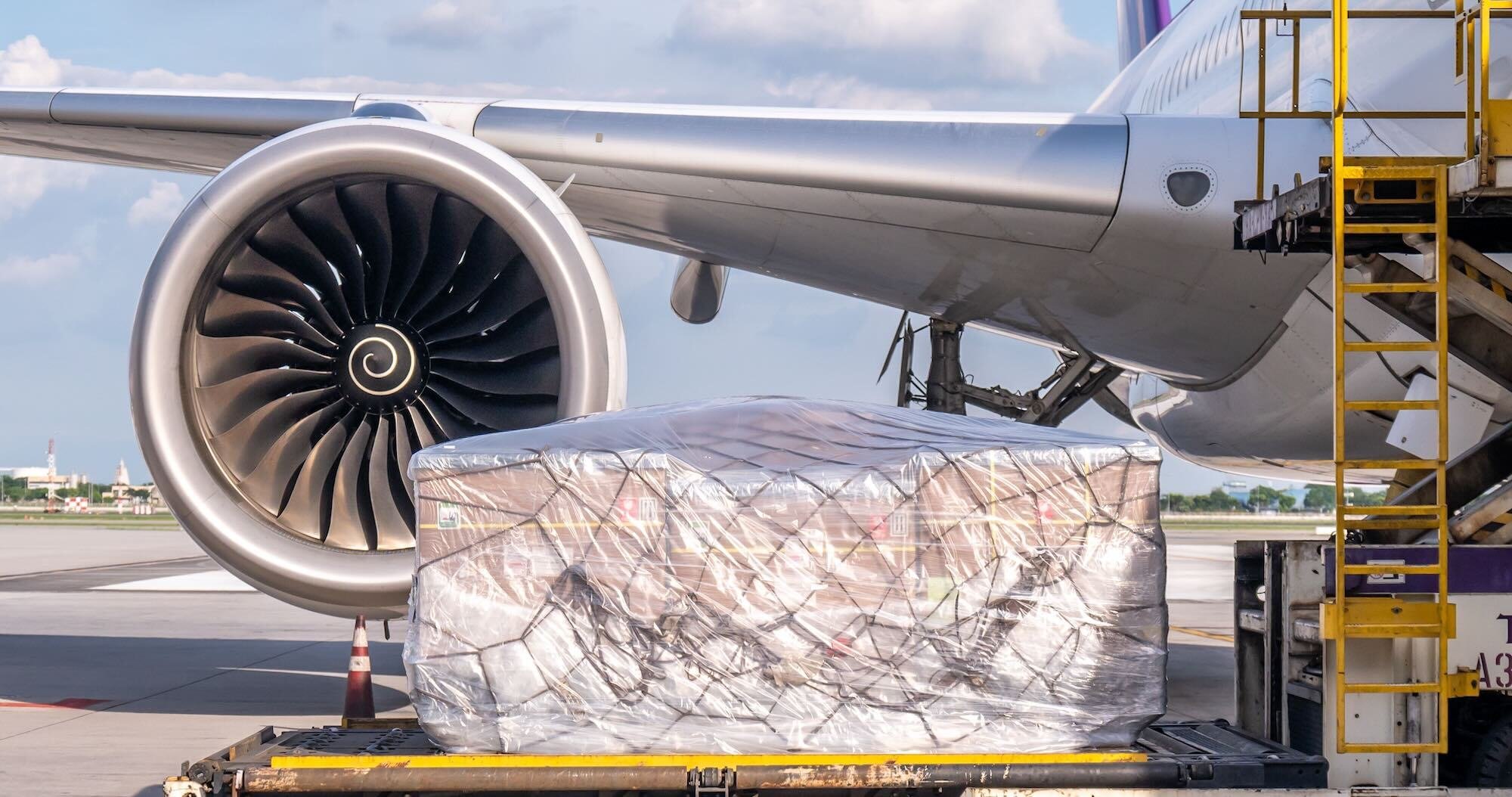
The Pilatus PC-12 is a highly versatile turboprop widely used in Texas air charter operations. Its configurable cabin allows it to support passenger transport or convert into a fully open cargo configuration, making it well suited for freight charters across Texas. Large cargo doors, a flat floor, and strong payload capacity make the PC-12 a reliable option for palletized freight, industrial components, and medical shipments moving between Texas cities or into rural areas. Its exceptional short- and rough-field performance allows it to access remote airstrips, oilfield locations, and disaster-response sites where traditional ground transportation or larger aircraft cannot operate.

Learn More About the Pilatus PC‑12

PC-12-thumb

Cessna 406 Caravan II

The Cessna Caravan II is a cornerstone aircraft for Texas air cargo charters, valued for its simplicity, reliability, and operational flexibility. With a quick-convertible cabin and the ability to carry over 3,000 pounds of cargo, it is commonly used for same-day and expedited freight within Texas. The Caravan’s large cargo door speeds loading and unloading, while its ability to operate from short or unimproved runways makes it ideal for serving remote facilities, energy-sector sites, and smaller Texas airports that lack heavy infrastructure.

Learn More About the Cessna 406 Caravan II
Cessna 406 Caravan II-thumb

Piper PA‑31

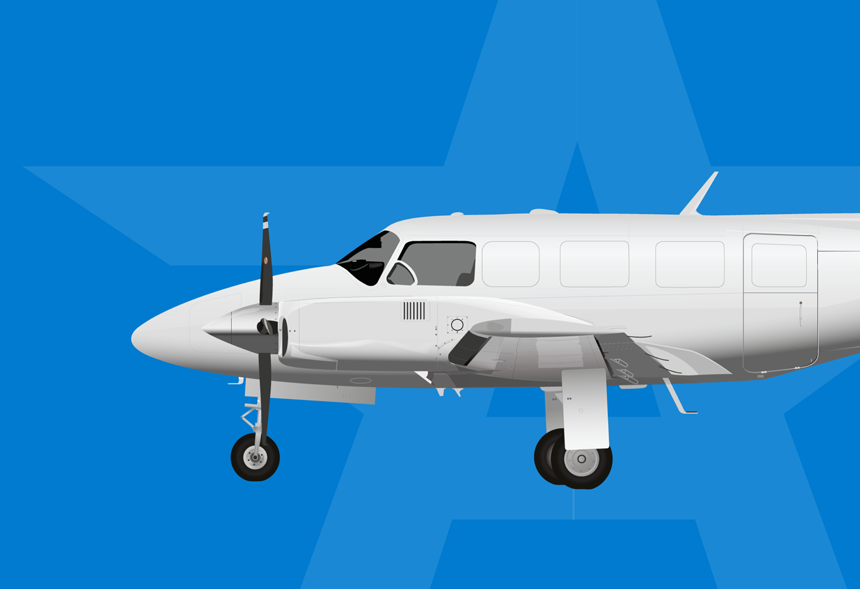
The Piper PA-31 is a proven workhorse in regional Texas air charter service. Its twin-engine design, removable seating, and wide rear doors allow operators to transition quickly between passenger, medical, and light-cargo configurations. Texas charter providers frequently rely on the PA-31 for short-to-mid-range routes, emergency shipments, and economical same-day deliveries between secondary airports. Its operating efficiency makes it a practical choice for time-sensitive charters that require reliability without the cost of turbine aircraft.

Learn More About the Piper PA-31
Piper-PA-31-thumb

Fairchild Metro II

An enhanced evolution of the Metro II, the Fairchild Metro III offers improved speed, range, and payload capacity. Texas air charter operators often select the Metro III for same-day and next-day cargo routes that require fast transit between major Texas metros and regional airports. Its balance of performance and operating cost makes it a popular option for time-critical intrastate and regional freight movements.

Learn More About the Fairchild Metro II

Fairchild-Metro-II-thumb

Fairchild Metro III

The Metro III is a faster, upgraded version of the Metro II, widely used in the air freight and express cargo markets. Its extended fuselage, pressurized cabin, and improved engines make it ideal for same day delivery, next day air, and other time-critical shipments.

Charter flight companies and air charter brokers often rely on this aircraft for lower-cost operations while maintaining strong payload capacity and range—an advantage for overnight and regional air freight shipping.

Learn More About the Fairchild Metro III

Fairchild-Metro-III-thumb

Shorts SD 360

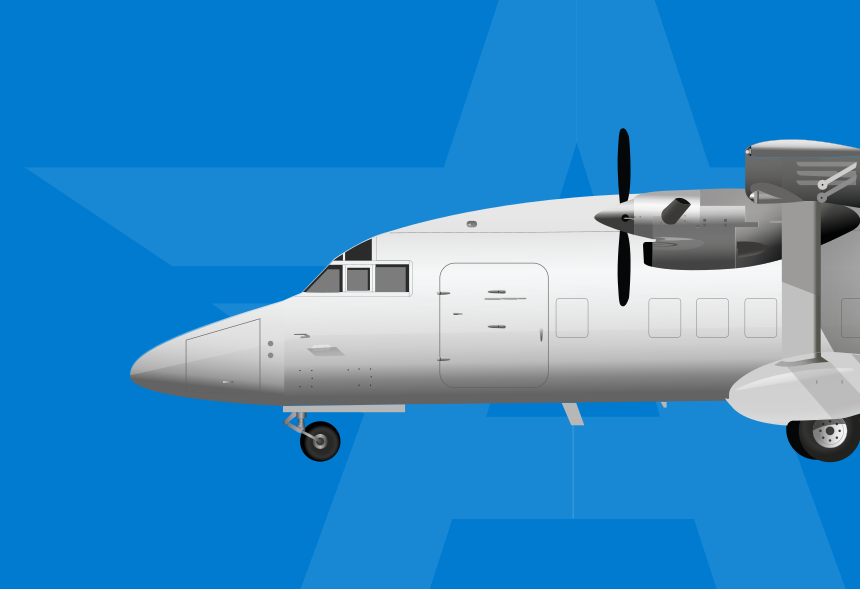
The Shorts SD 360 is well suited for high-volume, short-haul Texas air charter missions. Its boxy fuselage and large cargo capacity make it ideal for palletized freight, express cargo, and bulk shipments. Known for its rugged construction and short-runway capability, the SD 360 is frequently used to connect major Texas logistics hubs with smaller regional airports, supporting industries that require dependable and repeatable air cargo service.

Learn More About the Shorts SD 360
Shorts SD 360-thumb

Convair CV‑580

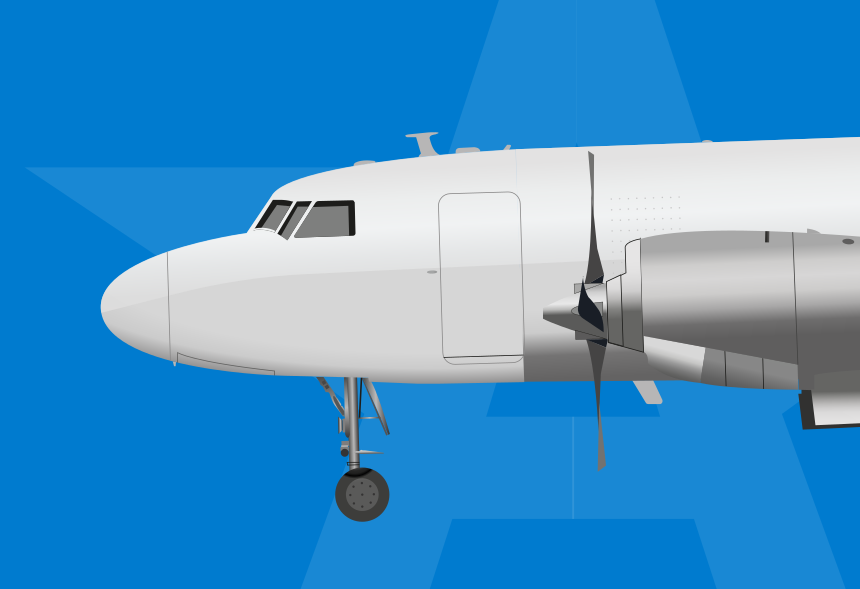
The Convair CV-580 remains a dependable platform for heavier regional cargo operations within Texas. Its spacious cabin and palletized cargo capability make it effective for industrial freight, energy-sector equipment, and large-volume shipments. Texas air charter operators value the CV-580 for overnight and express missions where durability and payload capacity are critical.
Learn More About the Convair CV-580

Convair CV-580-thumb

Boeing 737‑300F

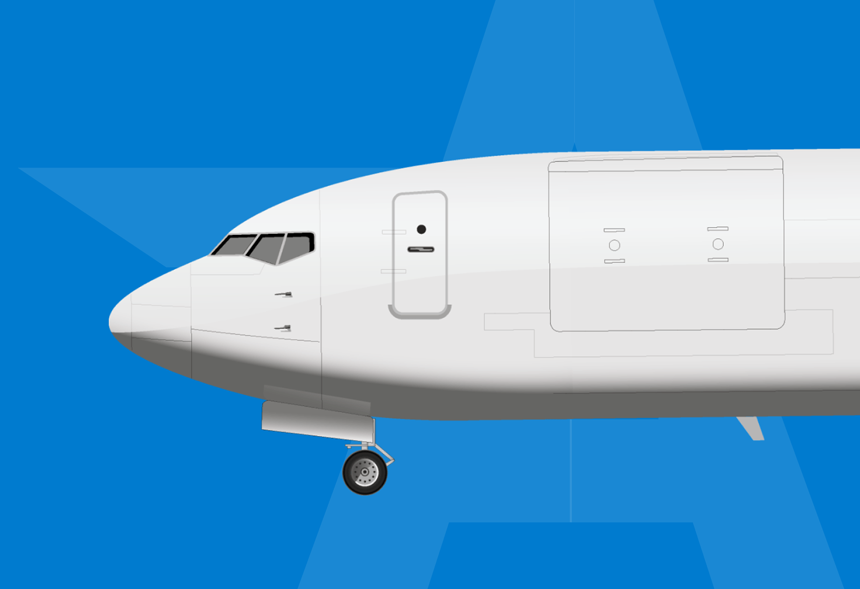
The Boeing 737-300F is a key asset in Texas air cargo charter fleets, offering strong mid-range performance and efficient cargo handling. With reinforced floors and a large main-deck cargo door, it supports rapid loading of palletized and containerized freight. Its ability to operate from many Texas airports—including those with shorter runways—gives charter operators flexibility for same-day and overnight freight routes across the state and beyond.
Learn More About the Boeing 737‑300F

Boeing-737-400F-thumb

McDonnell Douglas DC-10F

The DC-10F serves as a heavy-lift solution for large-scale Texas air charter operations. With substantial payload and long-range capability, it is used for major industrial projects, disaster response, and high-volume freight moving into or out of Texas. For shipments that exceed the limits of narrow-body freighters, the DC-10F remains a trusted aircraft for long-range, high-capacity air cargo charter missions.


Learn More About the McDonnell Douglas DC-10F

McDonnell Douglas DC-10F-thumb

FAQs: Air Cargo Charters in Texas

What is an air cargo charter?

An air cargo charter is a dedicated freight flight booked for one shipper’s exclusive use. In a charter, you rent the entire aircraft (including pilots and crew) to carry your cargo on a direct schedule you define. It’s essentially a private, on-demand flight for goods. This is different from regular air freight where your shipment shares space on a scheduled airline flight. A cargo charter gives you full control over timing and origin/destination, which is why it’s used for extremely time-critical or specialized shipments.

How is a cargo charter different from regular air freight or overnight shipping?

The main differences are flexibility and speed. Scheduled air freight moves on set airline routes and timetables – you have to fit your shipment into those schedules, and it may involve connections or waiting for the next available flight. Overnight shipping (like next-day air services from integrators) is fast but still limited by network routes and capacity; your package travels with others through hubs. In contrast, an air charter is a point-to-point flight arranged just for you. It can depart immediately, fly directly to the destination (no layovers or hub transfers), and often arrive much faster than even overnight courier options. Essentially, chartering skips the line – there’s no need to conform to airline schedules or routing. If standard expedited shipping (like next-flight-out or overnight delivery) still isn’t fast or direct enough for your needs, a charter is the next step up. You get a bespoke solution: pick-up and go, whenever and wherever required.

When should I consider using an air charter service?

You should consider an air charter when you have a shipment that absolutely cannot be delayed and other shipping methods can’t meet your deadline or requirements. Typical scenarios include: a production line is down and waiting for a part, a customer will shut down an operation if they don’t get an item within hours, or you’re responding to an emergency (like delivering relief supplies or critical medical equipment). Also, if your freight is very large, sensitive, or needs to go to a location not well-served by airlines, a charter is often the best choice. Essentially, if the cost of not delivering on time (lost sales, penalties, downtime costs) is very high, and no scheduled service can guarantee on-time delivery, that’s a strong trigger to use an air charter.

How do I book an air charter for freight in Texas?

Booking an air charter typically involves contacting a cargo charter broker or charter airline that operates in your region. In Texas, there are specialists who handle same-day air charter needs statewide. To initiate a booking, you’ll need to provide key details about your shipment: the pickup location and destination, the ready time and required delivery time, the weight and dimensions of the cargo, and any special conditions (like if it’s hazardous, needs refrigeration, etc.). The charter provider will then quickly source an appropriate aircraft and give you a quote. Once you agree, they’ll handle the logistics of arranging the plane, crew, flight permits, and often trucking for pickup/delivery if you need it. It’s a good idea to have as much info ready as possible (dimensions, weights, etc.), as that helps the provider secure the right plane faster. Many providers have 24/7 hotlines – for example, you can reach out anytime to get an air charter quote and begin the process. The actual paperwork for booking is usually a straightforward charter agreement or confirmation, and then the operation moves into the coordination phase almost immediately.

How quickly can an air charter flight be arranged and launched?

In urgent situations, an air charter can often be arranged in a matter of hours. Reputable charter companies operate 24/7 and can sometimes have a plane in the air within 2-4 hours of your initial call (assuming an aircraft is available nearby and your cargo is ready to go). The speed depends on a few factors: how quickly a suitable aircraft and crew can be positioned to your departure airport, how fast ground logistics (pickup and loading) can happen, and getting any flight permits if it’s international. For domestic charters within the U.S., it’s mostly about finding the nearest plane and prepping it. Texas is well-positioned in that regard – it has multiple airports and based aircraft, so if one city doesn’t have a ready plane, another nearby might. Some charters can indeed be airborne in just a couple of hours. Larger aircraft or more complex missions (say international flights requiring permits) might take a bit longer (6-12 hours lead time), but the bottom line is speed. Charter providers specialize in rapid response, so you don’t have to wait for a scheduled departure – they go when you need them to.

Can air charters handle dangerous goods or sensitive shipments?

Yes, air cargo charters can handle hazardous materials, high-value goods, and other sensitive freight – with the proper precautions and compliance in place. In fact, one advantage of chartering is that if you have an unusual hazmat shipment (say, a large quantity of lithium batteries or a radioactive medical isotope), you won’t be constrained by a commercial airline’s restrictions because you control the flight. Charter operators experienced in dangerous goods will ensure all IATA regulations are followed: proper packaging, labeling, and documentation are a must. They will provide or check the Shipper’s Declaration for Dangerous Goods and make sure the crew is aware of any special handling. Some hazardous materials might require special permits or route considerations (for example, certain explosives or chemical agents). A charter provider will typically help arrange those permits and may use specially trained personnel to handle loading. So, as long as you declare everything and it’s legally transportable by air, a charter can carry it. The same goes for high-value or delicate items – charters often handle secure shipments like electronics prototypes, artwork, or jewelry with enhanced security (even armed guards or sealed cargo holds, if needed). In summary, dangerous goods air cargo charters are feasible and commonly done; just partner with a charter company that has hazmat expertise. They’ll guide you so that safety isn’t compromised while meeting your time frame.

What types of aircraft are commonly used for cargo charters?

The range of aircraft used is broad, and it depends on the cargo size and distance. Common categories include:

  • Small Turboprops and Jets: e.g. Cessna Caravans, Pilatus PC-12s, or Learjets. These handle a few pallets or a couple thousand pounds, often used for same-day regional deliveries (within Texas or to neighboring states). They’re fast to scramble and can use short runways (great for reaching smaller airports close to your origin/destination).

  • Mid-size “Feeder” Freighters: e.g. SAAB 340, ATR-72, or Embraer 120 cargo variants. These turboprops carry maybe 5,000–10,000 lbs. They’re often chartered for slightly larger loads that still need to be regional or short-haul.

  • Narrow-body Jet Freighters: e.g. Boeing 727/737 freighters, or Airbus A321F. These can carry on the order of 30,000–45,000 lbs (15-20+ tons) and several full-size pallets. They’re a mainstay for cross-country charters or heavy loads that must go same-day. For example, a 737 freighter charter from Dallas to Los Angeles for an urgent tech shipment.

  • Wide-body and Heavy Cargo Aircraft: e.g. Boeing 747F, 777F, or even unique planes like the Antonov An-124. These are used for the largest charters – tens of tons up to 100+ tons of cargo, or oversized pieces like aircraft engines, large machinery, even helicopters. They typically handle long-haul international routes (like a direct charter from Texas to Europe or Asia). While not common for domestic jobs (overkill unless you truly have huge cargo), they are available when needed.
    In Texas, we see everything from small prop charters zipping oilfield parts around, up to 747s carrying project cargo abroad. The key is that the air charter service you use will match the right aircraft to your mission so you pay for only as much capacity as you need – and so the plane can physically handle your freight and route.

Are air cargo charter services available for international shipments?

Absolutely. Air cargo charters routinely fly internationally. If you need to send a shipment from Texas to another country (or vice versa) urgently, a charter can be arranged provided the necessary permits are secured. For international charters, the provider will handle overflight and landing permits for the countries involved and ensure compliance with customs and border regulations. Many charters from Texas go to destinations in Mexico and Canada (given the North American trade connections), but they also reach Europe, Asia, South America, or anywhere in the world as required. For example, a tech company in Austin might charter a direct flight to Asia to deliver machinery, or an oil company might charter from Houston to the Middle East. The process adds a layer of complexity (mainly paperwork and permissions), but a seasoned charter company will take care of that in the background. One thing to note: customs clearance needs to be arranged at the destination – often the charter will land at a major airport in the destination country where customs officers are present, even if the ultimate delivery is elsewhere in that country. International charters might also involve fuel stops if the distance exceeds the plane’s range. Despite these considerations, international air charter is a well-established practice. If time is critical internationally, chartering can skip long ocean transits and avoid delays in standard air cargo routes. Just be sure to work with a provider experienced in global operations so your shipment glides through customs and import/export requirements smoothly.

Do air charter companies also handle pickup and delivery (first mile/last mile)?

Many do, or they will coordinate it on your behalf. Top air charter providers offer door-to-door solutions, meaning they don’t just take care of the aircraft, but also the trucking to get your cargo from your facility to the departure airport and from the arrival airport to the final destination. In practice, when you book the charter you can request ground transportation services as part of the package. They’ll send an expedited truck or cargo van to your pickup location at the right time, ensure it meets the plane, and similarly arrange a vehicle at the destination end. This integrated approach is often crucial because it removes any gaps – you have one team accountable for the entire move. If you prefer, you can handle your own first/last mile, but many shippers find it convenient to let the charter company deal with it since they can time everything precisely. In Texas, for instance, if you charter a plane from Houston to Lubbock, the charter firm can dispatch a same-day courier truck to pick up from your Houston warehouse and have another waiting in Lubbock to immediately drive the cargo to, say, a job site in the oilfields. It’s all about speed and reliability. So yes, most charter providers either have in-house logistics arms or partner with reliable expedited delivery services to cover ground transport. Be sure to clarify this when booking – ask if “door-to-door” is available. That way, you can have peace of mind that from the minute your item leaves your hands until it reaches the recipient, it’s being actively managed and expedited.

Which Texas airports are commonly used for cargo charter flights?

Charters can operate from a surprisingly wide range of airports, depending on where they’re needed. Some of the major hubs for charters include:

  • Dallas/Fort Worth International (DFW) – the busiest cargo airport, great infrastructure for large charters.

  • Houston Intercontinental (IAH) – another top cargo airport, frequently used for international and heavy charters, especially energy-related.

  • Fort Worth Alliance (AFW) – a dedicated cargo airport (no passenger traffic) that often handles charters, including military and aerospace shipments.

  • San Antonio International (SAT) – handles charters mainly for automotive and military support.

  • Austin-Bergstrom (AUS) – growing cargo operations, used for tech industry charters and any central Texas needs.

  • El Paso International (ELP) – a key charter point for cross-border trade with Mexico.

  • Laredo International (LRD) – sometimes used for charters dealing with urgent border shipments (given Laredo’s huge trucking port).

  • McAllen Miller International (MFE) and Brownsville (BRO) in the Rio Grande Valley – can accommodate charters if needed for that region.

  • Midland International (MAF) – in West Texas oil country, occasionally sees charters for oilfield equipment going in/out.

  • Corpus Christi (CRP) – has the capability for large aircraft, used for some energy and project charters on the Gulf.

  • Houston William P. Hobby (HOU) – mainly a passenger airport, but smaller charters sometimes use it for convenience within Houston.
    One of the advantages in Texas is the vast airport network – “air charter near me” is often feasible because there’s likely a regional airport not far from your location that a charter plane can use. Charter flights often avoid the busiest commercial airports if a smaller field is closer to the pickup or delivery point, provided it has the runway length and services needed. So charters might depart from places like Sugar Land Regional or Addison Airport in the Dallas area, for example, to save time. The common theme is that charters will operate at the airports that best meet the mission – big or small. When you arrange a charter, the provider will suggest the optimal airports to minimize ground transit and speed up the operation.

What industries in Texas use air charters the most?

The use of air charters spans many industries, but the heaviest users in Texas include:

  • Oil & Gas: Energy companies rushing parts to rigs, refineries, or drilling sites (avoiding costly downtime).

  • Manufacturing & Automotive: Factories (like auto assembly plants, electronics manufacturers) flying in components to prevent line stoppages or to meet just-in-time delivery schedules.

  • Aerospace & Defense: Aircraft manufacturers, MRO (maintenance) facilities, and military bases shipping aircraft parts, engines, or sensitive equipment under tight deadlines (e.g., AOG situations for grounded planes).

  • High-Tech Electronics: Semiconductor fabs and tech hardware companies moving critical machinery or high-value products quickly (especially common in Austin’s tech scene).

  • Healthcare & Pharma: Hospitals, labs, and pharmaceutical firms transporting things like transplant organs, medical devices, or urgent medicine supplies (often with special handling like refrigeration).

  • Construction & Infrastructure: Engineering firms and construction projects flying in heavy equipment or replacement parts to keep projects on schedule.

  • Emergency Response Agencies: Government or NGOs moving relief supplies during disasters, as well as utilities sending generators or repair equipment in crises (like chartering in emergency generators after a power grid failure).
    Each of these industries values charters because the cost of delays in those fields is extremely high relative to the cost of the flight. Whether it’s an oil well that’s offline, an assembly line waiting on a part, or a patient waiting for an organ transplant, charters serve as the express lane to deliver what’s needed. Texas’s economy has a concentration in these sectors, which is why air charter demand here is robust.

How can I choose the best air charter company or broker?

Start by evaluating their experience and track record. A good charter provider should have plenty of case studies or references in handling shipments similar to yours (e.g., if you’re in oil & gas, do they regularly do oilfield charters?). Look for a company that operates 24/7 and is quick to respond – do they answer your inquiry at 3 AM on a Sunday? Speed matters. Check the breadth of their aircraft network: the best providers have access to large fleets and various aircraft types, which means they can find the right solution fast and have backups ready. Make sure they prioritize safety and compliance – ask about their operator vetting process (reputable brokers only use licensed carriers with good safety records). Communication is another big factor: during initial discussions, are they clear and proactive in explaining options? That often indicates how they’ll perform during the mission. Price is naturally a consideration, but be wary of quotes that seem too good to be true – ultra-low cost could come at expense of reliability or hidden fees. Instead, look for transparency in the quote breakdown. You might also inquire if they are members of any industry organizations (like The Air Charter Association or similar) which promote best practices. Lastly, consider whether you need ancillary services like ground transport or customs help; if so, pick a provider that offers those so you get a one-stop solution. In summary, the best air charter companies in Texas (or anywhere) are those with a solid reputation for fast action, a wide range of equipment, excellent safety and service, and the ability to manage the end-to-end shipment. Don’t hesitate to ask questions – a trustworthy provider will gladly walk you through their process and credentials.

Can small shipments be sent via air charter, or is it only for large cargo?

You can definitely send small shipments via charter if the situation warrants it. There is no minimum size for a charter – it’s all about urgency and importance. We’ve seen charters for something as small as a single box of critical components, or a few trays of semiconductor chips, when those items were mission-critical and needed across the country immediately. In those cases, often a light aircraft or even a helicopter might be chartered for speed. That said, because of the cost, shippers usually reserve charter for small items only when other options (like Next Flight Out or an on-board courier) can’t get the job done in time or securely enough. An on-board courier (OBC) is an alternative for very small, urgent packages – that’s where someone hand-carries your item on a passenger flight. It can be faster to arrange than a whole plane and cheaper for truly tiny shipments. But OBCs depend on passenger flight schedules; if those don’t align, chartering a small plane is the next best thing. So yes, you can charter for small stuff – even a single envelope, theoretically – and it does happen particularly for, say, legal documents that must be delivered by a deadline or a bespoke part that’s holding up a line. The key is urgency: if that small shipment has big consequences riding on it, an air charter is on the table. The charter operator will simply match you with the smallest suitable aircraft to optimize the cost. In Texas, with many regional airports around, it’s quite feasible to charter a tiny plane to hop a crucial item from, for example, a supplier in east Texas to a factory in north Texas in a couple of hours.

Is an air charter considered expedited shipping or same-day delivery?

Yes – an air charter is basically the ultimate form of expedited shipping. In fact, it’s often the only way to achieve true same-day delivery over long distances. The term “expedited shipping” simply means prioritizing speed and fast transit over cost savings. Air charters epitomize that, as they are entirely focused on getting the cargo to destination as fast as humanly possible. If you charter a plane, you are essentially buying a same-day air service (or next-day, if overnight is fine but scheduled options were not available or reliable enough). Charters bypass the typical consolidation and hub-and-spoke system that even expedited freight usually goes through. So, in the spectrum of fast shipping options: you start with things like express couriers (overnight delivery, next-flight-out on passenger routes), and for even more critical needs you move to air charter solutions, which are bespoke. When people think “same-day delivery” for a nearby city, they might envision a courier driving a rush package. But when the distances are too great or the item too large, a charter aircraft essentially becomes your same-day courier in the sky. In summary, an air charter is indeed an expedited shipping method – in fact, it’s often the method of choice when all other expedited means (like express trucking or standard air freight) would be too slow. It’s the fastest way to ship, making it synonymous with emergency delivery. So while you wouldn’t use charters for routine overnight parcels (that’s overkill), for critical freight, a charter flight absolutely qualifies as express, expedited, and often same-day delivery service.
CTA Hero Star Background
TOP