

Freight Trucking Company
When your carrier network fails, the damage goes beyond a delayed load. SameDayDelivery.com moves fast to close the gap, connecting your freight with dedicated drivers and reliable equipment nationwide so that urgent shipments keep moving when standard carriers fall short.
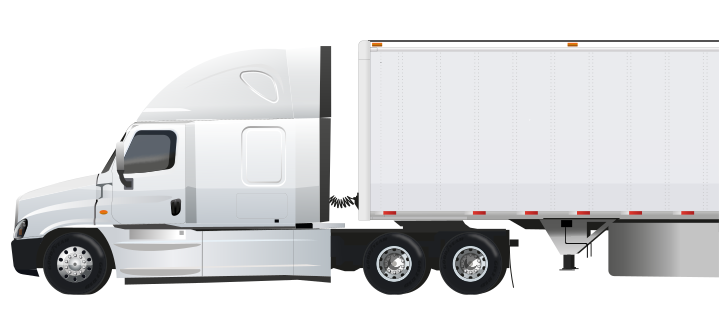





Trucking Services Covering Every Freight Mode
Freight Trucking Company Built Around Your Cargo
Not every freight trucking company is built to handle the pressure that comes with time-sensitive, high-stakes shipments. SameDayDelivery.com operates as a logistics company that connects shippers to an extensive network of vetted freight carriers, experienced drivers, and specialized equipment, covering everything from full truckload moves to oilfield equipment and project cargo.
Our approach is built on operational focus, not guesswork. When you need a truck company that can respond quickly, match your specific needs, and deliver without friction, our platform and dispatch team coordinate every detail. We are committed to exceptional service across a comprehensive range of trucking services, giving clients real options at competitive freight rates.
Shippers across the transportation industry rely on us because we maintain access to multiple carriers and independent operators simultaneously. That means your freight has real options, not just whatever capacity happens to be available on a spot market at the moment. As a non-asset freight trucking company, we match each shipment to the best match in our coast-to-coast network.

Full Truckload & Tractor Trailer Freight
Full truckload shipments move on a single dedicated trailer with no shared space and no consolidation stops. Whether you are moving palletized trucking loads or high-volume freight, our tractor trailer options give your shipment exclusive use of the equipment from origin to destination. This reduces handling risk and transit variability, making truckload shipping one of the most reliable ground transportation solutions for time-critical freight. Dedicated routes are available for shippers with consistent lane volume.

Heavy Haul & Project Cargo Transport
Oversized loads and project freight require more than just a big truck. Industrial machinery, construction materials, and building materials that exceed standard legal limits demand route surveys, permit coordination, and well-equipped carriers with the right rigging. Our network includes specialized providers with a strong presence in this sector, experienced in moving freight that standard truck companies will not touch. Flatbed services and lowboy options are available for different types of oversized and heavy freight.

Intermodal Freight & Oilfield Equipment Moves
Combining rail and over-the-road trucking to move freight efficiently across longer corridors, intermodal shipping is a practical option for shippers looking to mitigate risk and manage freight spend on established lanes. For oilfield equipment and energy sector freight, we coordinate specialized freight carriers familiar with remote site access, tight delivery windows, and the compliance requirements that come with oil field logistics. Our dispatch team handles multiple modes so your supply chain management stays streamlined.
WHAT WE DO
See How Expedited Freight Providers Keep Your Shipments Moving
Watch to understand how expedited freight services approach time-critical shipments and what that means for your supply chain.

Explore Our Trucking Services by Freight Type
KEY BENEFITS
NATIONWIDE NETWORK
SameDayDelivery.com maintains a coast-to-coast network that gives shippers access to available capacity across the country without relying on a single motor carrier. National truck companies often struggle to flex for urgent or non-standard freight. Our extensive network of freight carriers and independent operators fills that gap, matching your shipment to the right freight trucking company with the equipment and safety ratings to deliver. Competitive freight rates are negotiated based on your freight profile, not a generic spot market price. This page gives you a direct path to that capacity.
EXPLORE OUR AIRCRAFT

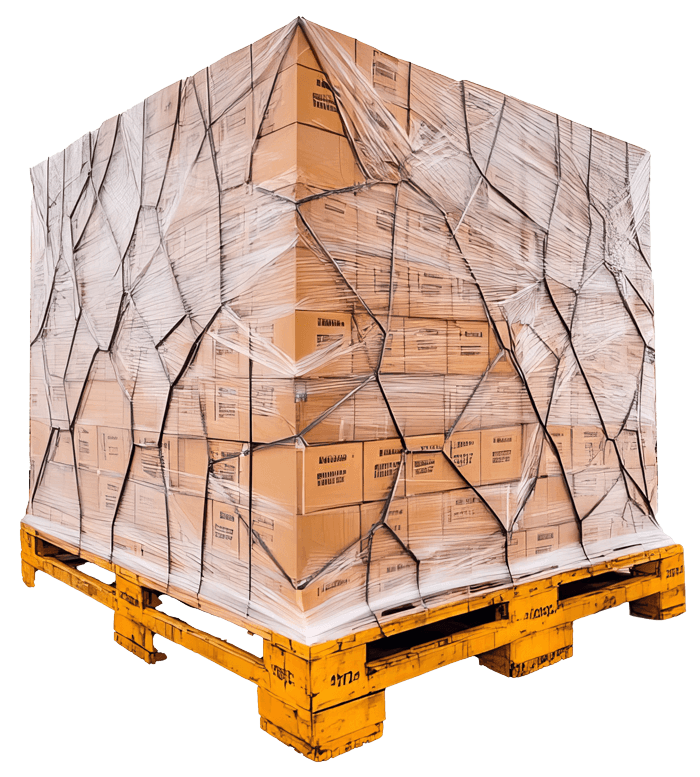

Expedited Freight Solutions Across North America
- Manufacturing Freight
- Oilfield Freight Needs
- Trade Show Cargo
- Recovery Freight
- Heavy Haul Loads
- Intermodal Corridors
- Last-Minute Truckload

Manufacturing Freight
A line-down event at a manufacturing facility can cost thousands of dollars per hour. When a critical component fails to arrive on time, expedited freight services become the recovery tool. SameDayDelivery.com dispatches dedicated professional drivers with the right equipment to move time-critical parts directly from supplier to plant floor, bypassing consolidation hubs and eliminating delays associated with standard ground transportation. Expedited trucking is often the fastest viable option when air freight is not practical for the load size or when an urgent order needs same-day freight delivery services.
Oilfield Freight Needs
Oil field operations run on tight schedules where equipment downtime translates directly to lost production revenue. Oilfield equipment moves require freight carriers with experience navigating remote access roads, coordinating with site supervisors, and meeting the compliance requirements specific to energy sector freight. Our network includes carriers committed to this type of specialized shipping, providing transportation services that keep drilling and production operations on schedule. As a freight trucking company with deep energy sector experience, we understand what it takes to keep operations moving across the country.

Trade Show Cargo
Trade show and event freight operates on an immovable deadline. Displays, equipment, and promotional materials must arrive at the venue on a specific date with no flexibility. SameDayDelivery.com coordinates expedited freight solutions from providers who understand event logistics, including advance warehouse delivery requirements and show-site access windows. Whether the shipment moves via full truckload or a dedicated sprinter van, your delivery needs are matched to the right equipment and driver for the run. Delivery today is not a promise we make lightly; it is a standard we build our network around.

Recovery Freight
When a carrier fails mid-transit due to a breakdown, a missed pickup, or a capacity cancellation, recovery freight becomes the immediate priority. SameDayDelivery.com specializes in these situations, dispatching available capacity from our freight carrier network within hours. Smaller shipments and full truckload recovery moves are both within scope. Independent operators in our network are often the fastest responders for recovery scenarios, providing the flexibility that large truck companies cannot always offer when a shipment is already behind schedule. Our truck broker capabilities mean we can resolve most situations the same day.

Heavy Haul Loads
Oversized loads require a different level of planning than standard freight. Permit acquisition, route surveys, escort vehicle coordination, and specialized flatbed or lowboy equipment are all part of the process. Our network connects shippers to freight carriers with a strong presence in project freight, including industrial machinery, construction materials, and large structural components that exceed standard legal limits. As a freight trucking company with access to a broad range of trucking services, we match each oversized move to the right equipment and experienced team for the job.

Intermodal Corridors
Intermodal shipping is a practical option for longer corridors where rail efficiency can reduce cost without sacrificing reliability. SameDayDelivery.com coordinates the drayage and over-the-road segments that connect rail terminals to origin and destination points. For shippers moving consistent volume on established lanes, combining multiple modes can streamline freight spend while maintaining the real-time updates and carrier accountability your logistics team requires. Our freight trucking company approach ensures the truck broker and drayage coordination are handled by a single experienced team.
Last-Minute Truckload
Last-minute full truckload capacity is one of the hardest things to secure through standard channels. When a planned carrier falls through or shipment volume spikes unexpectedly, SameDayDelivery.com can source truckload shipping capacity quickly through our freight carrier network. Our dispatch team works directly with independent operators and dedicated professional drivers to book loads on short notice, giving shippers a reliable path to capacity even when the market is tight. For overnight freight or next-day delivery needs, our freight trucking company resources are available around the clock.
FREIGHT TRUCKING EXPERTISE
What Sets a Top Freight Trucking Company Apart
Expedited Freight Solutions for Time-Critical Loads
When a shipment cannot wait for a standard delivery window, expedited freight services provide the operational backbone to move cargo on a priority basis. Unlike conventional trucking services that consolidate freight across multiple stops, expedited freight solutions assign dedicated drivers to a single load, eliminating the delays that come with shared routing and terminal handling.
Dedicated Drivers and Direct Routing
Dedicated drivers are the core of any reliable expedited freight provider. By assigning a team or solo driver exclusively to one load, a freight trucking company can guarantee direct, non-stop transit from origin to destination. This approach is especially critical for clients managing tight production schedules or responding to supply chain disruptions.
Expedited Freight Providers and Owner Operators
Many expedited freight providers build their capacity through a combination of an own fleet and qualified owner operators. Owner operators bring flexibility to the carrier network, allowing a trucking company to scale available loads coverage across a broad range of lanes without overstretching fixed assets. Vetting these operators for safety ratings and well maintained equipment is non-negotiable.
Expedited freight solutions also cover cargo van and sprinter-based shipments for smaller shipments that still require the same priority handling as a full tractor trailer move. This versatility allows a single freight trucking company to serve clients across industries without routing smaller loads through less efficient channels.
For businesses evaluating expedited freight companies, the key metrics are transit time consistency, driver availability, and the ability to book loads on short notice. A trucking company with a strong presence across North America and an extensive network of drivers can respond to urgent freight requirements far more reliably than regional operators with limited reach.

Ground Expedited Trucking Across North America
Ground expedited trucking fills the gap between standard over-the-road truck drivers and air freight, offering faster transit than conventional trucking while keeping freight on the ground. This mode is the preferred choice for clients who need same day delivery or next day arrival without the cost premium of air charter services.
Hotshot Services and Cargo Van Capacity
Hotshot services are purpose-built for smaller, urgent loads that cannot justify a full truck load but cannot tolerate the delays of less than truckload consolidation. A cargo van or straight truck dispatched immediately after booking can often outperform air freight on short-to-medium haul lanes when airport processing and handling time are factored in. Trucking companies that maintain a mixed fleet of cargo vans, sprinters, and hotshot rigs give clients the right equipment for every freight requirement.
Long Haul and Over-the-Road Truck Drivers
For longer corridors, over-the-road truck drivers running team operations can sustain near-continuous movement, keeping a load moving through the night while a solo driver would be required to rest. Long haul expedited runs across the country depend on well maintained equipment and drivers committed to on-time performance. A motor carrier with rigorous fleet maintenance protocols reduces the risk of mechanical delays that can unravel even the best-planned expedited move.
Ground expedited trucking also supports oilfield equipment moves and project cargo that require point-to-point handling without terminal exposure. These shipments often involve oversized or sensitive components where the fewer handoffs, the better. A freight trucking company with experience in these specialized moves understands the legal compliance requirements around permits, routing, and load securement.
Operational efficiency in ground expedited trucking comes from technology-enabled dispatch, real-time tracking, and a load board system that matches available loads to the nearest qualified driver. Trucking companies that have invested in advanced logistics technology can reduce response times significantly compared to competitors still relying on manual processes.
Full Truckload Shipping and Fleet Management Strategy
Full truckload shipping remains the most efficient mode for high-volume freight requirements where the shipper can fill an entire trailer. A freight trucking company that manages its own fleet for full truckload moves has direct control over equipment condition, driver performance, and on-time delivery, rather than depending on multiple carriers to execute on its behalf.
Fleet Maintenance and Well Maintained Equipment
Fleet maintenance is one of the most operationally demanding aspects of running a trucking business. Preventive maintenance schedules, driver inspection protocols, and rapid repair turnaround all contribute to keeping well maintained equipment on the road and reducing unplanned downtime. National trucking companies with large fleets invest heavily in maintenance infrastructure because a single breakdown on a time-sensitive load can damage client relationships and safety ratings simultaneously.
Truck Load Optimization and Load Board Technology
Truck load optimization involves matching freight requirements to the right equipment type, whether that is a dry van, flatbed, or tanker. Using a load board integrated with real-time tracking, a freight trucking company can identify available loads along a driver's return route, reducing empty miles and improving competitive rates for clients. This kind of streamlined dispatch is what separates high-performing carriers from those still running manual processes.
For shippers moving palletized trucking freight on regular lanes, dedicated contract services offer a structured alternative to spot market volatility. These arrangements lock in capacity and pricing, giving both the client and the motor carrier predictability for planning purposes. Clients benefit from consistent driver relationships and equipment, while the carrier secures committed volume.
Fleet management also encompasses legal compliance across jurisdictions, including hours-of-service regulations, weight limits, and hazardous materials handling certifications. A trucking company that treats compliance as a core operational discipline, rather than a checkbox exercise, protects its clients from costly delays and regulatory exposure.

Third-Party Logistics and Freight Carrier Networks
Third-party logistics providers serve as intermediaries between shippers and freight carriers, managing the complexity of sourcing capacity, negotiating freight rates, and coordinating multi-leg moves. For companies that do not want to manage relationships with multiple carriers directly, a 3PL with an extensive network offers a single point of accountability across the transportation industry.
Best Freight Brokers and Carrier Vetting
The best freight brokers differentiate themselves through carrier vetting rigor, not just rate competitiveness. A broker that screens carriers for safety ratings, insurance coverage, and on-time performance history provides far more value than one that simply finds the lowest bid on a load board. Shippers moving sensitive or high-value cargo need confidence that the freight carriers in a broker's network meet consistent standards.
Intermodal Freight and Supply Chain Integration
Intermodal freight solutions combine ground and rail transport to reduce cost on longer lanes while maintaining acceptable transit times. A freight trucking company that can offer intermodal alongside over-the-road options gives clients more tools to optimize their supply chain based on urgency and budget. Intermodal is particularly effective for high-volume, non-time-critical lanes where the priority is cost efficiency rather than speed.
Third-party logistics providers also help smaller carriers access more loads by aggregating shipper demand that would otherwise go to national trucking companies with established sales teams. This dynamic supports a healthier transportation industry by keeping smaller carriers competitive and providing shippers with a broader range of capacity options.
For businesses evaluating logistics partners, the right trucking company or 3PL should demonstrate a solid reputation, transparent communication, and the technology infrastructure to provide real-time tracking and reporting. Providing transportation services at scale requires more than trucks and drivers; it requires systems that give clients visibility and control over their freight from pickup to delivery.

Heavy Haul Trucking and Specialized Freight Moves
Heavy haul trucking covers freight that exceeds standard legal weight or dimension limits, requiring permitted routing, specialized equipment, and drivers with experience managing oversized loads. Industries such as energy, oil field operations, and manufacturing regularly depend on heavy haul capacity to move equipment that simply cannot be broken down into standard shipments.
Oilfield Equipment and Project Cargo Logistics
Oilfield equipment moves are among the most demanding in the trucking industry. Drilling components, pressure vessels, and modular structures often require flatbed trucks, lowboys, or multi-axle configurations to distribute weight legally across road surfaces. A freight trucking company with experience in oil field logistics understands the permitting timelines, escort requirements, and route surveys that protect both the cargo and the infrastructure it travels over.
Flatbed Trucks and Heavy Haul Compliance
Flatbed trucks are the workhorses of heavy haul and project cargo operations. Open deck equipment allows for top-loading and side-loading of oversized pieces that cannot fit within an enclosed trailer. Legal compliance for heavy haul moves involves coordinating with state and local authorities for oversize permits, managing curfew restrictions, and ensuring load securement meets federal standards. Trucking companies that specialize in this segment maintain relationships with permit agencies across the country to expedite approvals.
Project cargo logistics often involve multiple carriers and modes, requiring a freight trucking company to act as a coordinator across the full move. This includes sequencing deliveries to match construction or installation schedules, managing storage at intermediate points, and providing real-time tracking so project managers can adjust plans if transit conditions change.
For clients in the energy sector, the ability to move hazardous materials safely is equally important. Carriers handling these loads must hold the appropriate certifications, maintain compliant placarding and documentation, and ensure their drivers are trained for emergency response. A trucking company committed to exceptional service in heavy haul treats safety and compliance as the foundation of every move, not an afterthought.
Expedited Freight Excellence: Explore Our Resource and Blog Section
SameDayDelivery.com is a leader in the hot shot trucking industry. Our blog and resource section offers information and resources to improve your logistics strategy.


From critical shipments to ongoing support, see why businesses continue to choose SameDayDelivery.com