

Full Truckload Carriers
SameDayDelivery.com connects high-volume shippers with full truckload carriers that move your freight direct, on dedicated truck space, from origin to final destination without detours.
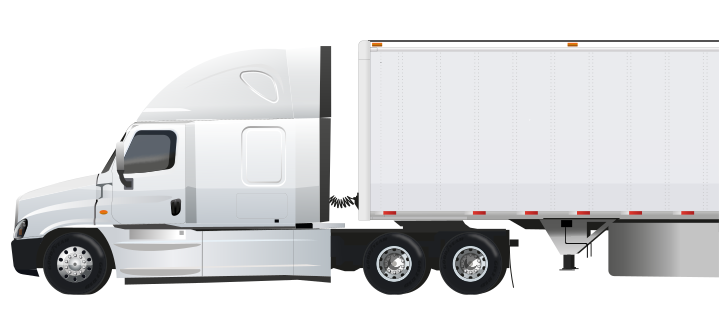





FTL Shipping Modes and Equipment
Full Truckload Carriers That Protect Your Cargo
Full truckload shipping services mean your cargo occupies the entire trailer. No co-mingling with other freight, no stops at consolidation hubs, no waiting for smaller shipments to fill out a load. Your freight moves direct from pickup to delivery, which typically means faster transit and lower damage risk compared to shared-space alternatives.
FTL freight carriers are the right call when your shipment fills most or all of a standard 53-foot trailer, when your cargo is too fragile or too valuable to share space, or when your timeline cannot absorb the delays built into LTL routing. Full truckload carriers also give you predictable capacity, which matters when production schedules and customer commitments are on the line.
SameDayDelivery.com works with a vetted network of full truckload carriers across the US, matching your freight to the right equipment, the right carrier, and the right lane. Whether you need standard enclosed service or specialized equipment for an irregular load, our team manages the logistics so your operation keeps moving.

Full Truckload Carriers
Enclosed trailers are the most widely used equipment among full truckload carriers. Fully weather-protected, they handle the broadest range of general commodities. For high-volume shippers moving palletized goods, packaged products, or manufactured parts, this mode delivers consistent capacity without complexity. Different types of enclosed equipment are available depending on commodity requirements and lane characteristics.

Flatbed Trucking
Irregularly shaped loads, oversized machinery, and construction materials often cannot fit inside a standard enclosed trailer. Flatbed and step-deck equipment provides the open-deck access needed for top-loading, side-loading, and crane-set freight. Our network of full truckload carriers includes options for loads that require more than a standard van, and our team selects the right configuration for your specific freight.

Expedited Freight Shipping
When standard scheduling is not fast enough, expedited service moves your shipment with priority dispatch and direct routing. Team drivers, pre-planned lanes, and dedicated truck space combine to compress transit times for freight that cannot wait. This is the option when a line-down event or missed delivery carries real operational cost. Full truckload carriers with team driver capability can cover long-haul lanes without mandatory rest stops slowing the move.
WHAT WE DO
How Our FTL Freight Carriers Work for You
Understanding how full truckload carriers move freight from origin to delivery helps shippers make better decisions about carrier selection and equipment. This overview walks through the FTL shipping process, from load planning and carrier dispatch through delivery confirmation. Different types of equipment, routing strategies, and compliance requirements are covered so you can evaluate options with confidence.
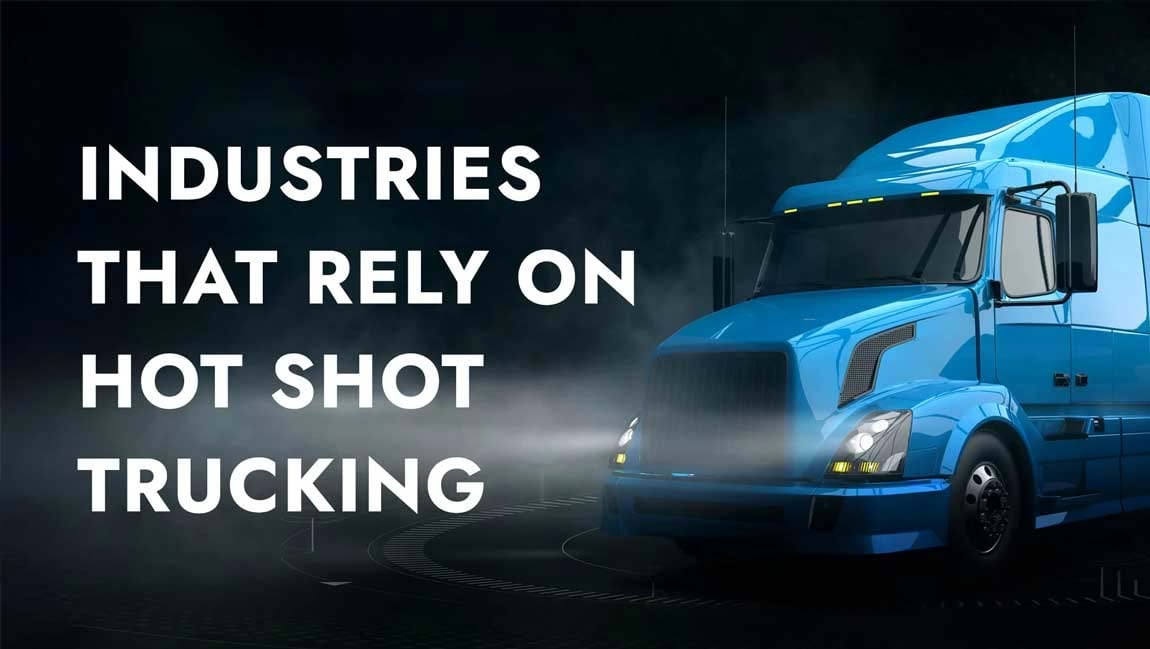

What Sets Our Full Truckload Carriers Apart
KEY BENEFITS
NATIONWIDE NETWORK
SameDayDelivery.com maintains geographic coverage across the continental US through a carrier network built for truckload shipments of every scale. Full truckload carriers are matched to your lane based on equipment availability, compliance record, and proximity to your origin. High-volume shippers benefit from consistent capacity that does not fluctuate with spot market pressure. Whether you are moving freight weekly or managing a surge, our network depth means your shipment has a truck assigned, not a waitlist. That reliability supports customer base growth and keeps supply chains running smoothly across the broader economy.
EXPLORE OUR AIRCRAFT


Industries That Rely on Full Truckload Carriers
- Automotive Supply Chains
- Construction and Heavy Freight
- Aerospace Component Freight
- Machinery and Industrial Loads
- Retail and Consumer Goods
- Hazardous Materials Freight
- Expedited Critical Freight
Automotive Supply Chains
Automotive parts and assembly operations run on tight sequencing. A delayed load can idle an entire production line. Full truckload carriers serving the automotive industry must deliver on precise windows, often to facilities with strict dock scheduling and no tolerance for early or late arrivals. Dedicated truck space eliminates the multiple stops and terminal handling that introduce timing risk. Parts arrive in the same condition they left the supplier, without the handling damage that accumulates across shared-space moves.

Construction and Heavy Freight
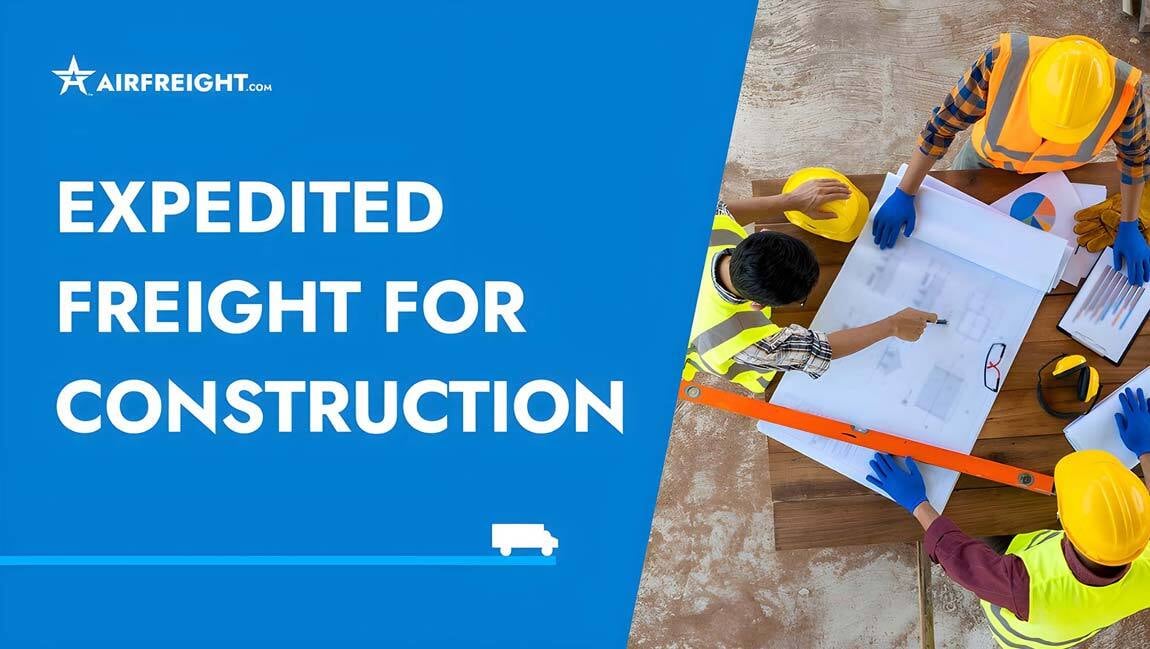
Construction materials and heavy equipment present freight challenges that standard carriers are not always equipped to handle. Structural steel, precast concrete, and large machinery require proper blocking and bracing, and carriers with the permits and experience to execute. Full truckload carriers for the construction industry often operate flatbed or step-deck equipment, coordinate delivery to active job sites, and schedule around site access windows. Getting the wrong carrier on a construction load creates delays that ripple across the entire project timeline and affect broader economic timelines tied to development growth.

Aerospace Component Freight
Aerospace components require dedicated truck space and careful handling protocols that shared freight environments cannot reliably provide. Precision parts, tooling, and assemblies moving between facilities or to MRO operations need carriers with clean equipment, documented chain of custody, and the industry expertise to understand what is at stake. Full truckload carriers in the aerospace sector often work within custom packaging requirements, facility security compliance, and time-critical delivery windows tied to production or maintenance schedules.

Machinery and Industrial Loads
Transporting industrial machinery and heavy equipment demands more than a standard freight carrier. These loads are often overweight, oddly configured, or require specialized rigging at origin and destination. Full truckload carriers for the machinery industry typically operate flatbed equipment, manage over-dimensional permitting, and bring experience securing heavy freight for long-haul transit. Matching the right carrier to a machinery load is not a commodity decision; it requires market knowledge and a network deep enough to find the right fit quickly. Different types of equipment configurations are evaluated before every dispatch.

Retail and Consumer Goods
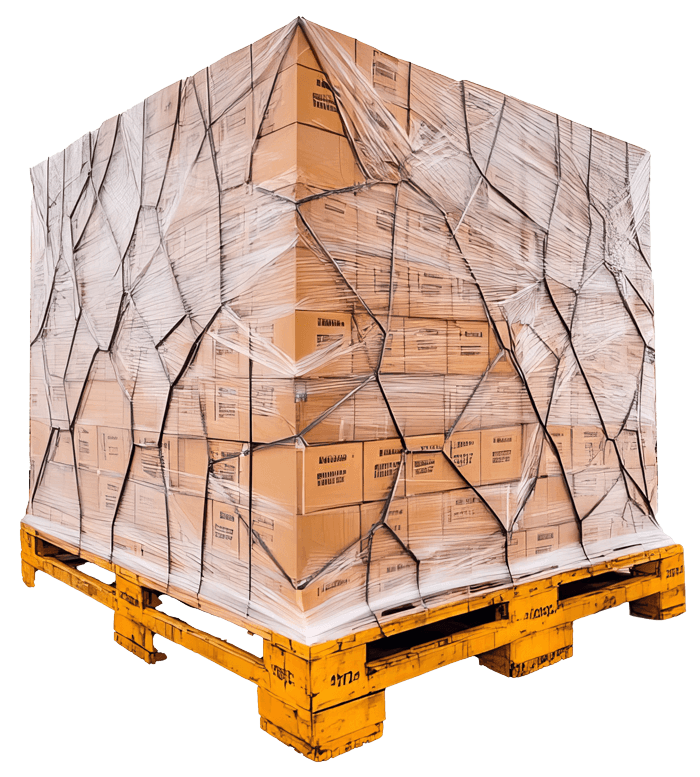
Retail supply chains move large volumes of packaged goods on tight replenishment cycles. Full truckload shipping services are the standard mode for distribution center replenishment, seasonal inventory builds, and promotional freight that needs to hit shelves on a specific date. Enclosed trailers handle the bulk of this volume, with consistent capacity and competitive rates that make FTL more cost-effective than LTL for loads that fill most of a trailer. High-volume shippers in retail depend on full truckload carriers that can scale with demand and support customer base growth across peak seasons.

Hazardous Materials Freight
Regulated materials shipped via FTL freight carriers require specific certifications, proper placarding, and drivers trained under FMCSA and DOT regulations. Dedicated truck space eliminates the co-mingling risks that complicate shared-space handling of regulated commodities. For hire carriers moving regulated materials must maintain compliance documentation and emergency response protocols. Selecting the wrong carrier for a hazmat load creates liability exposure that no shipper can afford to ignore. Full truckload carriers with verified hazmat credentials provide exceptional service and reduce compliance risk throughout the move.

Expedited Critical Freight
Some freight cannot wait for standard scheduling. Line-down emergencies, missed production inputs, and time-critical deliveries tied to contract commitments all require expedited service that moves faster than conventional scheduling allows. Full truckload carriers with team driver capability and pre-planned direct routing can compress transit times significantly. When the cost of delay exceeds the premium for expedited freight shipping, priority dispatch is the right tool. Our team can activate full truckload carriers quickly when your situation demands it, providing exceptional service under pressure.
Dedicated Support Behind Every FTL Shipment
FTL shipments do not manage themselves. Behind every load is a dedicated team that handles carrier vetting, dispatch coordination, compliance checks, and real-time communication.
Your account manager is reachable when issues arise, not just during business hours. That operational depth is what separates a reliable freight partner from a transactional broker. Full truckload carriers in our network are held to the same accountability standards we apply internally, so the service you receive reflects the commitment we make.

Hi, I'm Steve
Reach out today and let's solve your urgent shipping needs. I or a member of the team will be with you from start to finish.
FTL SHIPPING DEEP DIVE
Everything B2B Shippers Need to Know About Full Truckload Carriers
Full Truckload Shipment Basics for B2B Shippers
Full truckload carriers move freight by dedicating an entire truck to a single shipper's load, from pickup to final destination. Unlike consolidated options, your cargo does not share trailer space with other shipments, which reduces handling touchpoints and lowers the risk of damage or delay.
Why High Volume Shippers Choose FTL Services
High volume shippers benefit most from truckload shipping because they can fill a trailer efficiently without paying for unused capacity. When freight volume consistently reaches 10 or more pallets, or when weight approaches standard trailer limits, ftl shipments typically offer a better cost-per-unit outcome than smaller loads consolidated with other freight.
How the FTL Shipping Process Works
The shipping process for full truckload freight is straightforward: a carrier dispatches a truck to your facility, loads your cargo, and drives directly to the destination without multiple stops. This point-to-point model is one of the key factors that makes truckload freight services attractive for time-sensitive or high-value goods.
For businesses transporting goods regularly along fixed lanes, establishing a relationship with reliable ftl carriers creates predictability in both scheduling and freight rates. Consistent capacity is one of the primary reasons industries rely on dedicated truckload services rather than spot market alternatives.
FTL shipping also simplifies supply chain management because fewer parties handle the freight. Fewer handoffs mean fewer opportunities for loss, damage, or documentation errors, which matters significantly when shipping hazardous materials or fragile industrial components.

Dry Van Freight Transportation for Commercial Shippers
Dry van shipping accounts for the largest share of truckload freight services in North America. A standard dry van trailer is an enclosed, non-refrigerated unit, typically 53 feet long, designed to protect general freight from weather and road debris during transit.
What Freight Moves in a Dry Van
Dry van equipment handles a wide range of commodities including packaged goods, electronics, auto parts, building materials, and consumer products. Trucking companies deploy dry van fleets across virtually every freight lane in the country, making this equipment type the backbone of domestic freight transportation.
For shippers with standard palletized or boxed cargo, a dry van provides the most competitive rates because carrier availability is highest. The broad customer base of dry van operators means shippers can source capacity more easily than with specialized equipment.
Dry Van vs. Specialized Equipment
Not all freight fits neatly into a dry van. Irregularly shaped loads, oversized machinery, or cargo requiring open-air loading may require flatbed or step-deck trailers instead. Understanding which equipment type matches your freight profile is a key factor in keeping your shipping process efficient and cost-effective.
For hire carriers operating dry van fleets typically offer the widest geographic coverage of any equipment segment. This broad network is especially valuable for businesses shipping large volumes to multiple regional distribution points.
When evaluating full truckload carriers for dry van freight, look beyond base rates and assess factors like on-time performance, trailer availability during peak seasons, and the carrier's ability to provide personalized service on your specific lanes.

Dedicated Truck Space and Contract Carrier Arrangements
Dedicated trucking differs from standard for hire carriers in that a specific fleet, and often a specific truck driver or driver pool, is assigned exclusively to your freight operation. This model is common among manufacturers, retailers, and distributors with predictable, high-frequency shipping requirements.
Benefits of Dedicated Truck Space
With dedicated truck space, your business secures consistent capacity regardless of broader market conditions. Spot market volatility, driver shortages, and seasonal surges in demand can all disrupt standard truckload shipping, but a dedicated arrangement insulates your supply chain management from those fluctuations.
Contract carriers operating under dedicated agreements also develop deep familiarity with your facilities, freight characteristics, and delivery requirements. This institutional knowledge translates into fewer errors, faster load times, and a more reliable shipping process overall.
Customized Solutions for Complex Operations
Dedicated trucking providers often offer customized solutions that go beyond simple point-to-point delivery. These can include managed routing, driver coordination with your warehouse team, and reporting tools that integrate with your logistics systems.
For businesses in the automotive industry, construction industry, or machinery industry, where delivery timing directly affects production schedules, dedicated arrangements provide exceptional service levels that standard truckload carriers may not consistently match.
The tradeoff is typically a longer commitment period and a fixed cost structure. Shippers should analyze their freight volume, lane consistency, and service requirements carefully before transitioning from spot or contract truckload services to a fully dedicated model. When volume and predictability align, dedicated trucking often delivers the strongest combination of service reliability and total cost control.

Expedited FTL Carriers for Time-Critical Freight
Expedited freight shipping uses full truckload carriers to move cargo faster than standard transit schedules allow. This typically involves team drivers who alternate behind the wheel, keeping the truck moving around the clock without mandatory rest stops that would otherwise extend delivery windows.
When Expedited Service Is the Right Choice
Expedited service is appropriate when a production line shutdown, a missed shipment, or a time-sensitive customer commitment makes standard truckload freight timelines unacceptable. Industries rely on expedited ftl shipments to recover from supply chain disruptions without resorting to significantly more expensive air freight options.
The aerospace industry, automotive industry, and electronics manufacturing sectors are among the heaviest users of expedited truckload services. In these verticals, the cost of downtime far exceeds the premium paid for faster freight transportation.
Expedited FTL vs. Air Charter
For large or heavy shipments, expedited truckload shipping often provides a practical middle ground between standard ground transit and air charter. Air freight is faster but carries strict weight and dimensional limits, and costs scale sharply with cargo size. A full truckload moving team-driven can cover 1,000 miles in roughly 20 hours, which is competitive for many domestic emergency freight scenarios.
Full truckload carriers offering expedited service should demonstrate strong market knowledge of your freight lanes, including alternate routing options in the event of weather delays or road closures. Geographic coverage and real-time communication capabilities are equally important when every hour of transit time carries operational consequences.
Shippers evaluating expedited carriers should request performance data on on-time delivery rates for emergency loads, not just standard freight, to accurately assess whether a carrier can provide exceptional service under pressure.

Competitive Rates and Selecting the Right Truckload Carriers
Freight rates for full truckload shipments are influenced by lane density, fuel costs, driver availability, seasonal demand, and the specific equipment required. Unlike LTL pricing, which uses a class-based tariff system, truckload freight is typically priced per mile or per load, with negotiated rates varying significantly based on volume commitments and lane characteristics.
Key Factors That Drive Truckload Freight Rates
Carriers price freight based on their own cost structures and the attractiveness of a given lane. Backhaul availability is a major variable: a carrier moving freight into a market where they can easily find a return load will offer more competitive rates than one facing an empty return trip. Shippers with industry expertise in their own freight lanes can use this knowledge to negotiate more effectively.
Fuel surcharges, accessorial fees, and detention charges can add meaningfully to the base rate. Understanding these components helps shippers compare carrier proposals on a total-cost basis rather than being misled by a low headline rate.
What Separates the Best Trucking Companies
The largest carriers offer broad geographic coverage and deep capacity, but size alone does not define service quality. Smaller regional truckload carriers often provide more personalized service and greater flexibility on specific lanes where they have strong market knowledge.
When evaluating full truckload carriers, assess their safety ratings, claims ratios, communication practices, and technology capabilities alongside their rates. A carrier that consistently delivers on time and communicates proactively about delays adds more value to your business needs than one offering marginally lower rates with inconsistent execution.
Building a diversified carrier base, rather than relying on a single provider, also protects shippers when capacity tightens. Maintaining relationships with multiple truckload carriers across your key lanes ensures you can secure capacity and maintain service levels even during periods of high market demand.
Expedited Freight Excellence: Explore Our Resource and Blog Section
SameDayDelivery.com is a leader in the hot shot trucking industry. Our blog and resource section offers information and resources to improve your logistics strategy.



From critical shipments to ongoing support, see why businesses continue to choose SameDayDelivery.com