
Skip to content
5.0 rated on Trustpilot

Last Mile Delivery

The last mile decides whether a shipment arrives when the customer needs it. SameDayDelivery.com books a dedicated vehicle for the final leg, from the airport, terminal or warehouse to the receiving dock. One contact tracks it until it is signed for.

What shippers get

Long Runs, Clear Estimates

“Almost 700 mile trip was estimated at 14 hour delivery.” — Bob

Pickup and Delivery Orchestrated

“Todd Anderson was exceptional for assisting in orchestrating pickup and delivery of a last-minute shipment.” — Kellen

Updates All the Way There

“pick up box was delivered in 24 hours with updates as the delivery went on” — Brandon

Expeditor Steve
In short

The final leg to the door

Last mile delivery moves freight from the last hub or airport to the receiver.

Last mile Last mile delivery

What last mile delivery means for freight

From an air freight pallet waiting at a cargo terminal to a crate of parts sitting in a supplier's warehouse, last mile delivery is the final leg of a shipment's trip. It runs from the last hub, airport or warehouse to the receiver's door. Final mile means the same thing, and first mile is the opposite end, from the shipper to the first hub.

The last mile is often the hardest leg because it meets real-world conditions: city traffic, gates, receiving hours and sites without docks. For business freight, it usually means pallets and crates on a dedicated vehicle rather than boxes on a parcel route.

SameDayDelivery.com arranges last mile delivery for business freight across the US, Canada and Mexico, backed by 24/7 dispatch and one point of contact. Every shipment is tracked from the hand-off to the signed delivery.
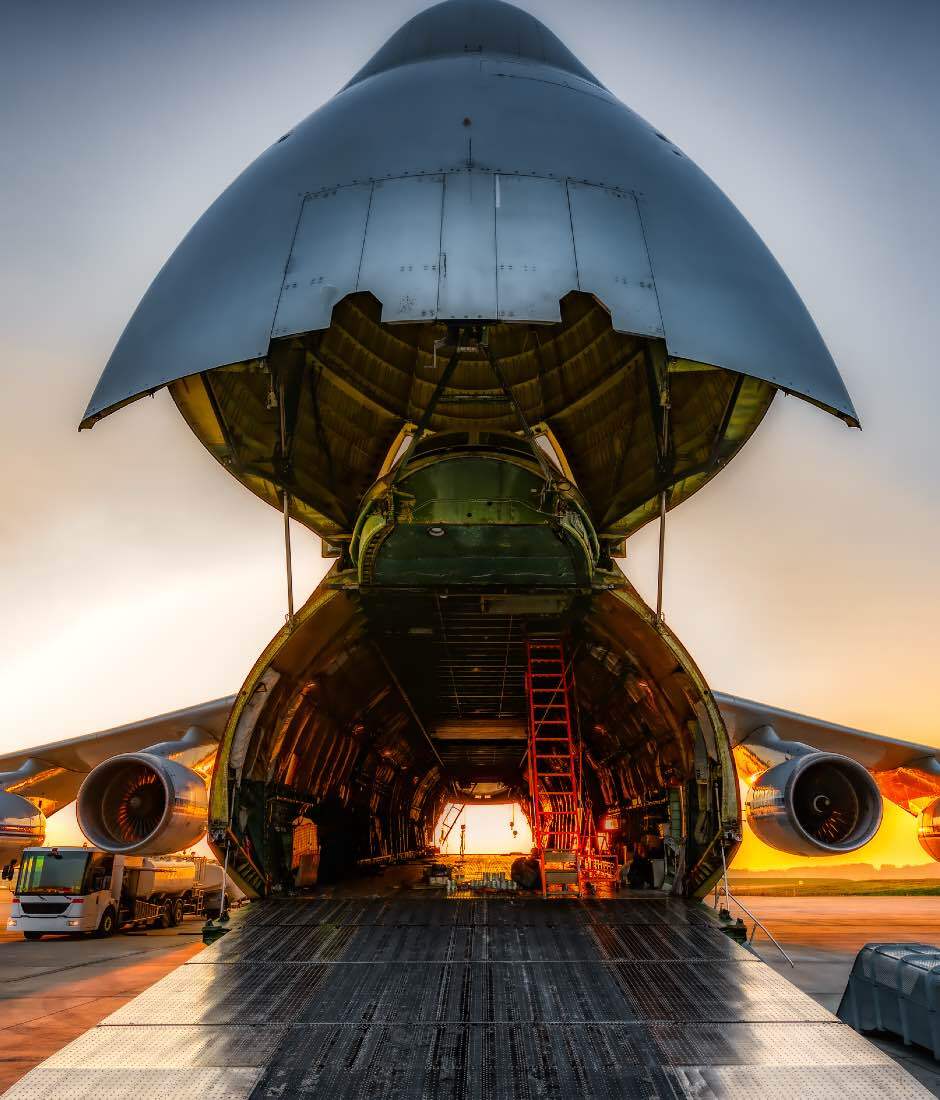

Aircraft being loaded with cargo
Hand-offs Last mile

Where the last mile starts

When freight arrives at an airport cargo terminal, a carrier's terminal or a warehouse, the last mile begins at that hand-off. An air freight pallet is collected from the cargo terminal and driven to a business dock. Parts move from a supplier's warehouse to a plant, and materials move from a yard to a jobsite. Parcel systems use delivery stations, local buildings where packages are sorted onto routes.

Each hand-off needs a few things ready. The release paperwork has to be in order so the freight can be collected, the vehicle has to fit the freight, and there should be a contact at the delivery site who knows it is coming.

We support each hand-off with a dedicated vehicle sized to the freight. It's also the step where delays start, so SameDayDelivery.com confirms the release and the receiver before the driver is dispatched.

A real hand-off chain

An airport-to-dock last mile, step by step

Here is how SameDayDelivery.com runs the last mile for an air freight pallet, from the cargo terminal to the receiving dock, in six steps.

  1. 01

    Book the vehicle

    Share the air waybill details, the pallet size and weight, the delivery address and the receiving hours. A vehicle that fits the pallet, often a box truck or straight truck with a liftgate, is booked.

    • Air waybill
    • Liftgate
  2. 02

    Clear the release

    The paperwork the cargo terminal needs to release the freight is confirmed before the driver arrives. A missing release is the most common reason a pickup stalls at the airport.

    • Release paperwork
  3. 03

    Collect at the terminal

    The driver checks in at the cargo terminal, collects the pallet and records the pickup with the time and piece count. Any visible damage is noted before the freight leaves.

    • Piece count
  4. 04

    Drive direct

    The vehicle runs straight from the airport to the delivery site with no other stops. Your point of contact sends updates along the way and warns the receiver of the arrival time.

    • Tracking updates
  5. 05

    Deliver to the dock

    The driver delivers to the dock or uses the liftgate where there is none. The receiver confirms the piece count against the paperwork before the freight is accepted.

    • Dock or liftgate
  6. 06

    Inspect and sign

    The receiver inspects the freight, notes any damage on the delivery receipt and signs. You receive proof of delivery with the name, signature and time, which closes the shipment.

    • Proof of delivery
Construction workers on site
Freight vs parcel Last mile

How freight last mile differs from parcels

While a parcel route can drop dozens of boxes in an hour, freight last mile is usually one delivery on one dedicated vehicle. The freight is on pallets or in crates, so the site matters. A dock lets a box truck back in and unload quickly, and a site without one needs a liftgate or a forklift on hand.

Many receivers set delivery appointments and receiving hours, and city streets limit the size of vehicle that can reach the door. That is why the vehicle choice is part of the plan: a cargo van or Sprinter van for small loads, a box truck or straight truck for pallets.

For freight that cannot ride a parcel route, a dedicated vehicle provides a balance of speed and control that a shared route can't match. This makes SameDayDelivery.com a practical alternative when the last leg has to go right.

5.0 from 1,600+ reviews on

Ready to book the last leg? Get a last mile quote.

Tell us where the freight is, where it goes and when. Your coordinator books the right vehicle, confirms the hand-off and keeps you updated until it is signed for.

  • We needed delivery in a pinch - quick and safely. Delivery was on-time and customer service was fantastic. They were very helpful when I called, great follow-up and delivery driver was even a little early.

    Jay
  • John Mark was a pleasure to work with and kept me updated on the driver's progress as it was an urgent and timely delivery we needed 11 hours away.

    Kenneth

Request a Quote

Step 1 of 3Origin and Destination Info

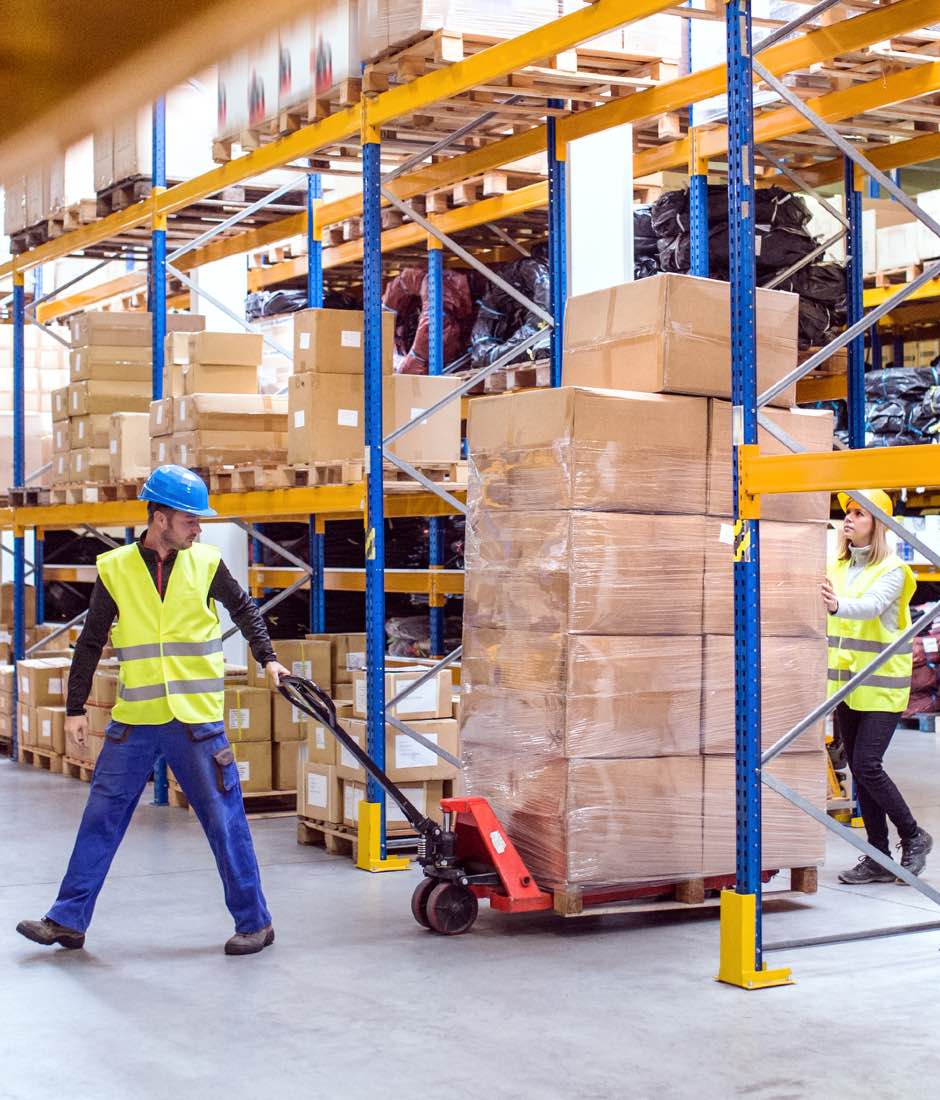
Workers handling boxes
Cost Last mile

What raises last mile cost

Last mile providers usually price the leg around the distance, the vehicle and the speed tier, including the conditions at each end. This means the shipper can keep the cost in line whenever the site details are known at booking.

As with most urgent delivery, distance from the hand-off, the size of the vehicle and how soon it has to arrive all affect the cost. Waiting at a gate or dock, limited access sites and failed delivery attempts add time, and time adds cost. A receiver who is closed when the driver arrives can turn one delivery into two.

Our dispatch team is available around the clock, including weekends and holidays, so deliveries can be timed to the receiver's hours. SameDayDelivery.com confirms access and receiving details to make sure your freight arrives in one attempt.

Last mile by the numbers

Last mile delivery by the numbers

56.4%

of US freight tonnage travels less than 50 miles1

What it means for you

Most freight tonnage travels short distances, which is exactly where the last mile happens. Getting that leg right affects a large share of what you ship, and SameDayDelivery.com books a dedicated vehicle so it runs direct to the receiver.

17.1%

of all US retail sales happened online in Q2 20262

Online buying keeps growing, which raises expectations for fast delivery from business suppliers too.

$2.3 million

cost of one hour of downtime at a large automotive plant3

When the last leg holds up a plant, every hour of delay carries a real cost.

39.3%

of truck stops involved driver detention in 20234

Waiting at docks is common, so clear receiving hours keep the last mile on schedule.

Freight News
Last mile

Last mile delivery costs rise again in 2026

Delivery operators report another year of double-digit cost growth, led by fuel and driver costs.

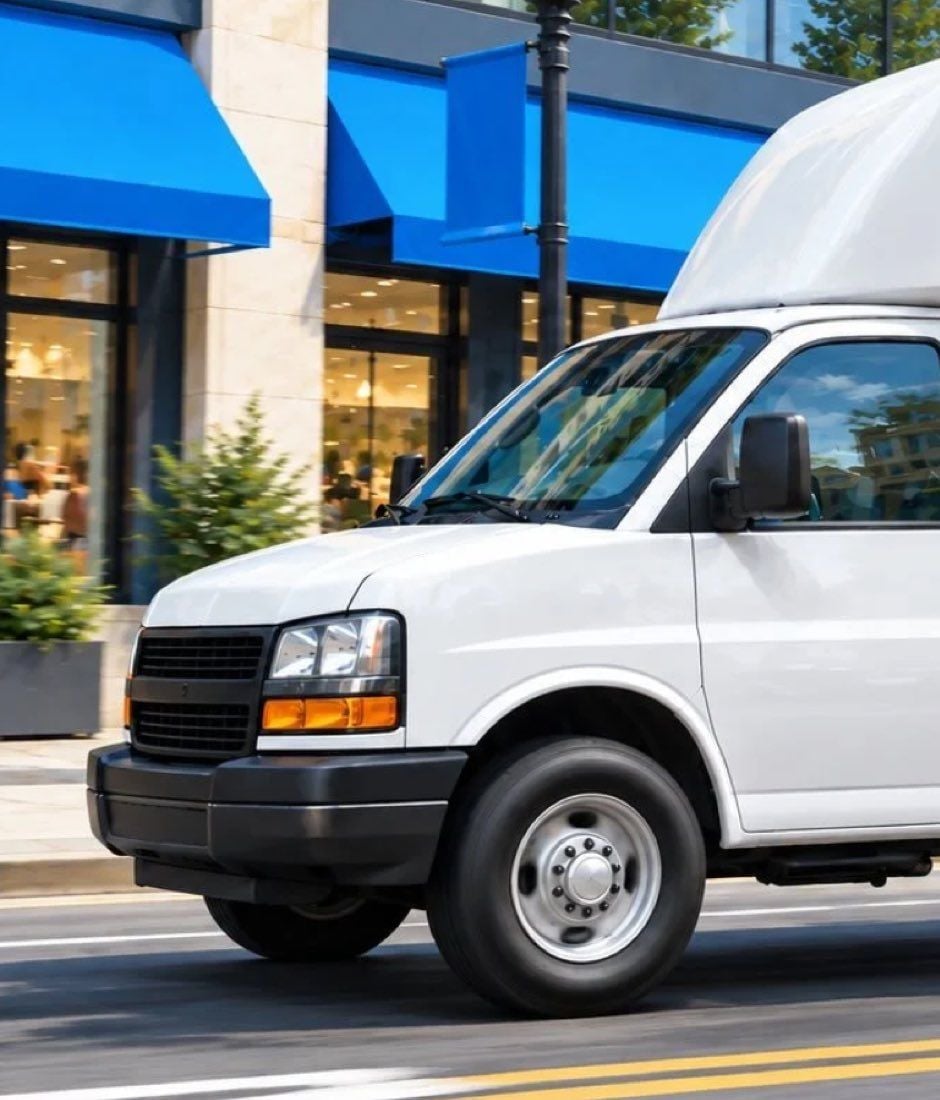
Box truck driving

What is happening

According to FreightWaves, survey research found median last-mile delivery costs rose 12 percent in 2026, the same rate as the year before.

Source: FreightWaves, September 1, 2026

Why it is happening

Fuel was a top cost pressure for 70 percent of operators, followed by driver cost and availability and vehicle operating costs.

What it means for you

Every extra attempt costs more now. SameDayDelivery.com books the right vehicle and confirms the site so delivery happens once.

Working with us

How SameDayDelivery.com handles the last mile

The last mile goes right when one person owns it, the vehicle fits the site and the updates are honest.

Expeditor Kevin

“I had a single point of contact assigned to our shipment that was fantastic on keeping me updated every step of the way.”

Pamela · Trustpilot
HowWe Work

One Person, Start to Finish

When you call SameDayDelivery.com, you reach a real person right away, and that same person owns your delivery from the first call to the signature at the dock. You never have to explain the shipment twice.

That contact confirms the hand-off, dispatches the vehicle and follows it to the receiver.

  • A direct number for your expeditor
  • Updates at pickup and delivery
  • The same person on your next delivery
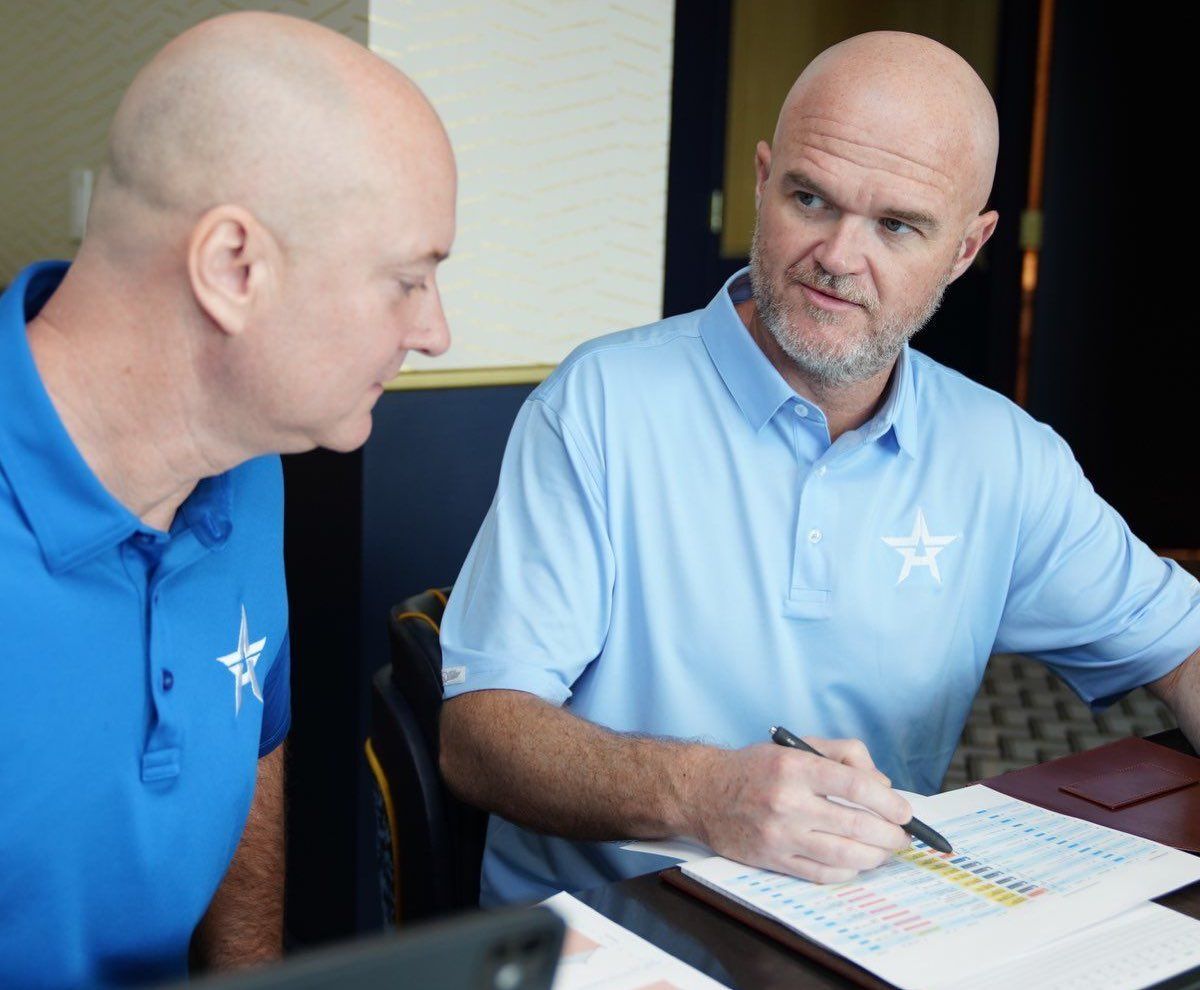
Expeditors Steve and Todd

“I called up at 7:30 pm... one that was secured cancelled at the end of the day. Todd quoted three shipments on the spot... The last shipment was picked up at Midnight.”

Susan · Trustpilot
WhatWe Provide

The Right Vehicle for the Site

Every last mile is different, and the right vehicle is the one that fits the freight and the site. We arrange cargo vans, Sprinter vans, box trucks and straight trucks with liftgates, plus same day air charter and hand carry when the distance is too far to drive.

We match the vehicle to the delivery, so you never pay for more than it needs.

  • Each option weighed against your deadline
  • Liftgates for sites without docks
  • Air options when driving is too slow
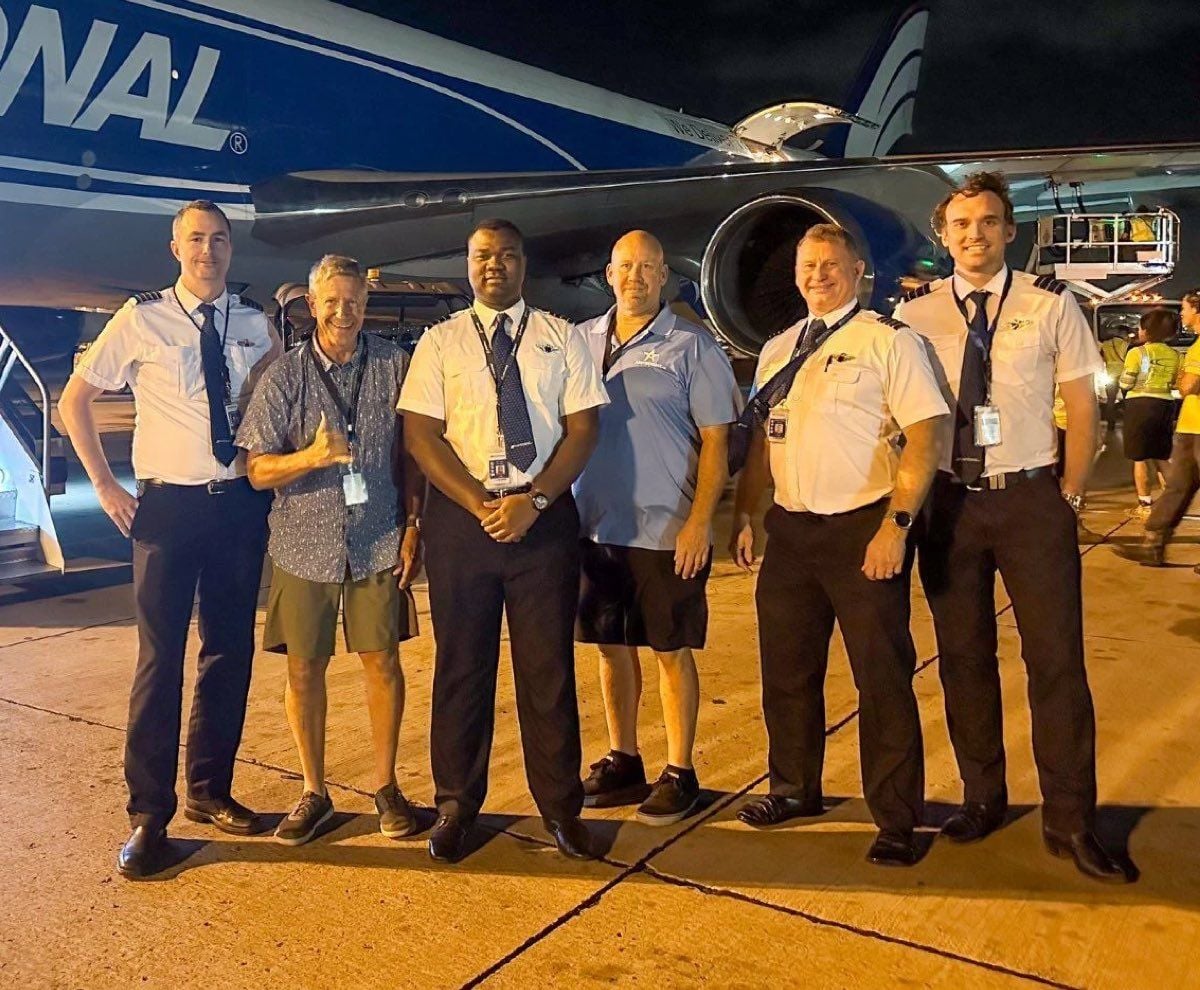
The expediting team at the airport

“True to word. They did exactly what they said they would do.”

Dan · Trustpilot
WhoWe Are

Honest With You, Always

An urgent delivery is stressful enough without wondering whether you have the full story. We give you the price before you commit, the timeline as it actually stands, and if something goes wrong, you hear it from us first.

That includes telling you when next day will still meet your deadline.

  • Clear quotes before you commit
  • Real updates, including the bad news
  • We say when a slower option works

Last Mile Delivery Questions Answered

What is last mile delivery?

Last mile delivery is the final leg of a shipment's journey, from the last hub, terminal, airport or warehouse to the end receiver. It is often the most complex and costly part of transportation, because it involves individual addresses, traffic, access restrictions and receiving hours rather than long, efficient runs between hubs. For parcels, the last mile is usually a multi-stop delivery route. For business freight, such as pallets or crates, it often means one dedicated vehicle delivering directly to a dock, store, office or jobsite. The goal in both cases is the same: a complete, on-time delivery to the right person.

Is final mile the same as last mile?

Final mile and last mile generally mean the same thing: the last leg of a shipment from a distribution point to the receiver. Some companies use final mile more often for freight and heavy items, such as furniture, appliances or equipment that needs a two-person crew, and last mile more often for parcels. Others use the terms interchangeably. The distance is not literally one mile; it can be a few blocks or more than a hundred miles, depending on where the last hub is. What defines it is that it is the final hand-off before the freight reaches its destination.

What is first mile delivery?

First mile delivery is the first leg of a shipment, when goods move from the shipper's location, such as a factory, warehouse or store, to the first hub, terminal or airport in the transportation chain. It is the opposite end of the journey from the last mile. First mile planning matters because delays at pickup ripple through the whole shipment. For air freight, the first mile might be a truck taking a pallet from a plant to an airport cargo terminal before a flight cutoff. For parcels, it is the pickup from a seller and the trip to the first sorting facility.

What is a last mile delivery station?

A last mile delivery station is a local facility where packages are sorted onto delivery routes for the final leg. Large parcel networks place these stations close to the neighborhoods and business districts they serve, so drivers can load their vehicles and reach addresses quickly. Packages arrive at the station from larger regional sort centers, usually overnight, and leave on routes during the day. Business freight that moves on a dedicated vehicle generally skips delivery stations altogether, because the vehicle goes directly from the pickup or hand-off point to the receiver without a sorting stop.

What is curbside delivery?

Curbside delivery means the driver brings the freight to the curb, the end of the driveway or a loading dock and unloads it there, but does not carry it inside. The receiver is responsible for moving it into the building. It is the most basic last mile service level and usually the least expensive. For businesses with loading docks, dock delivery works in a similar way: the freight is unloaded onto the dock and the receiving team takes it from there. Shippers should make sure the receiver has equipment and staff to move the freight once it is unloaded.

What is threshold delivery?

Threshold delivery means the driver brings the freight just inside the first door or entrance of the building, such as a lobby, garage or front office, but no further. It is a step up from curbside delivery and is common for offices, small stores and residential deliveries where the receiver can move the item the rest of the way. Threshold delivery may need a liftgate and sometimes a second person for heavier items. Shippers should confirm what counts as the threshold at a specific site, especially in multi-story buildings or locations with security desks.

What is white glove delivery?

White glove delivery is the most complete last mile service level. The delivery crew brings the item to its final location inside the building and may unpack it, assemble or install it, and remove the packaging and debris. It is used for furniture, appliances, medical and laboratory equipment, displays and other items that need careful handling and setup. White glove delivery usually involves a trained two-person crew and scheduled appointments, so it takes more time and costs more than curbside or threshold delivery. The exact services included vary by provider and should be confirmed before booking.

How does B2B last mile differ from B2C?

B2B last mile delivery serves businesses such as plants, warehouses, stores, offices and jobsites, while B2C serves consumers at their homes. B2B deliveries often involve pallets or crates, loading docks, delivery appointments and receiving hours, and a named contact who signs for the freight. They are frequently time-critical, because a late delivery can stop production or leave a crew waiting. B2C deliveries are usually smaller packages left at a door or handed to a resident, often on high-density routes. Because of these differences, B2B freight often moves on a dedicated vehicle rather than a parcel route.

What is reverse logistics?

Reverse logistics is the movement of goods back from the receiver toward the shipper or another destination after delivery. It covers returns, repairs, warranty replacements, core returns of used parts, recalls and the collection of reusable pallets or containers. In the last mile, reverse logistics often means picking up an item from a customer or site and bringing it back to a warehouse or service center. It needs the same planning as a forward delivery: the right vehicle, paperwork describing what is being collected and proof of pickup, so the returned item can be tracked and credited correctly.

What is proof of delivery?

Proof of delivery, or POD, is the record that a shipment reached its destination and was accepted. In last mile delivery it usually includes the receiver's printed name, signature, and the date and time of delivery, along with notes about any damage or shortage. Many providers also add photos of the delivered freight or its location. Proof of delivery is used to confirm completion to a customer, release payment and support a claim if something arrives damaged. Receivers should inspect the freight and note any problems before signing, because a clean signature can make later claims harder.

Get a quote

Freight close to its destination? Book the last mile now

Enter the pickup, delivery and date. We book the right vehicle, confirm the hand-off and keep you updated until it is signed for.

5.0 from 1,600+ reviews on

Request a Quote

Step 1 of 3Origin and Destination Info

Todd was very professional and a huge help with getting the delivery made! The driver made the delivery in excellent time and I was very pleased with the all around service.

Stacy · Verified review on Trustpilot
CTA Hero Star Background
TOP