


Truck Companies
Coordinating freight across multiple carriers, equipment types, and time zones is where most standard truck companies fall short. SameDayDelivery.com cuts through that complexity with a dedicated carrier network of expedited freight providers, matched to your specific delivery needs and dispatched with real-time updates from pickup to delivery.
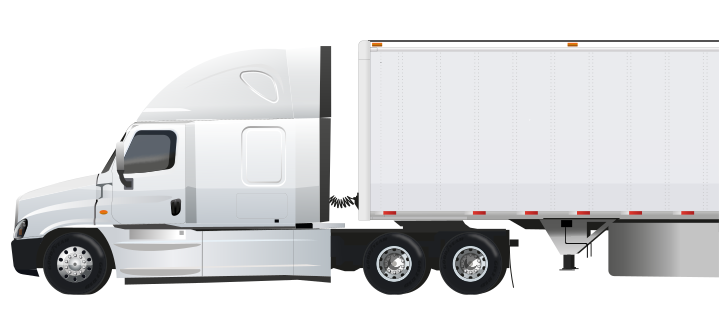





Expedited Trucking Services Across North America
Truck Companies Built for Time-Critical Freight
Not every truck company is equipped to handle freight that cannot wait. When a production line is down, a job site is stalled, or a customer is expecting delivery today, the carrier you choose determines whether your operation recovers or falls further behind.
SameDayDelivery.com operates as more than a truck broker. We maintain an extensive carrier network of dedicated drivers and well maintained equipment across the country, matched to your load based on freight type, urgency, and destination. Whether you need a tractor trailer for a long haul shipment or a sprinter van for a same day regional run, your shipment is handled by freight carriers with verified safety ratings and a solid reputation for on-time performance.
Our advanced logistics platform eliminates the manual processes that slow down traditional trucking services, giving your team a single point of contact and real-time updates across every shipment.

Expedited Ground
When your freight requires a dedicated tractor trailer and cannot share space with other loads, our ground transportation service delivers. Shipments move direct, without relay stops or open-market delays, using professional drivers committed to your timeline and specific needs. This is dedicated trucking built for shippers who cannot afford a missed window.

Flatbed Trucking
Oversized freight, construction equipment, building materials, and project cargo demand more than a standard carrier. Our network includes flatbed services and specialized configurations suited to heavy requirements, with route planning and permit coordination handled before your shipment ever moves. Experienced drivers with flatbed credentials make all the difference on complex loads.

Hot Shot Trucking
Oil field equipment and industrial truckload freight require truck companies with the right trailers and experience in remote site delivery. We match your load to freight carriers with verified credentials, well equipped rigs, and the operational knowledge to reach job sites that standard shipping services avoid. Our hotshot trucking division handles urgent orders efficiently across dedicated routes.
WHAT WE DO
See How Truck Companies Move Your Freight
Expedited trucking is a precision operation, not just a faster version of standard shipping services. Watch how professional drivers, carrier matching, and real-time updates come together to move time-critical freight across the country.

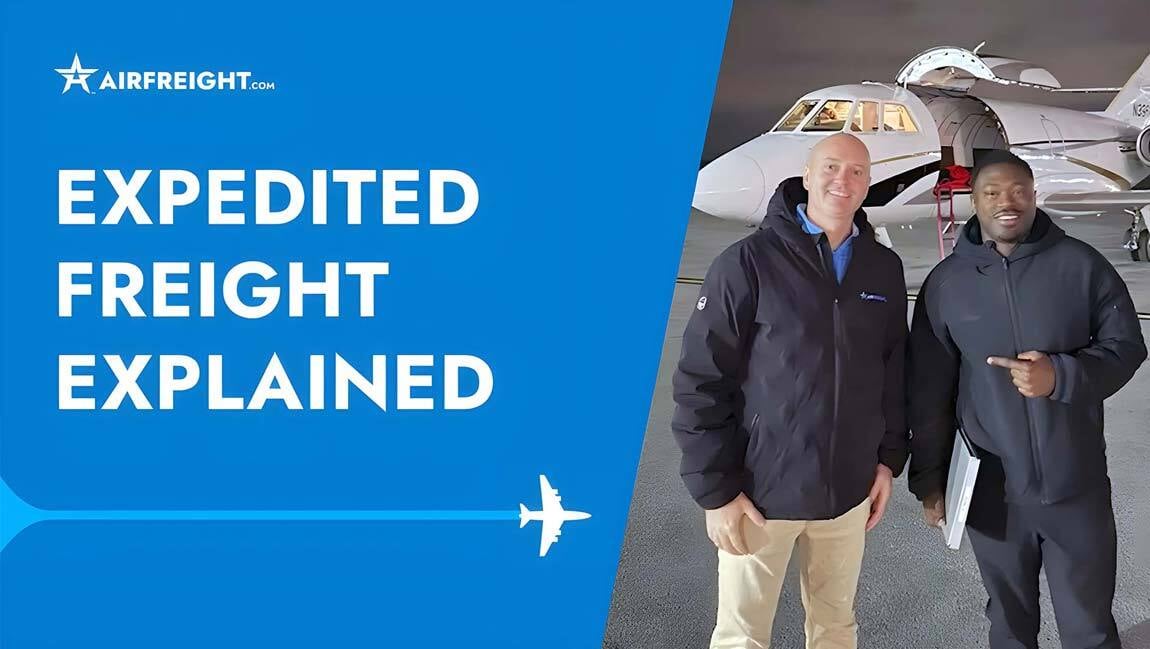
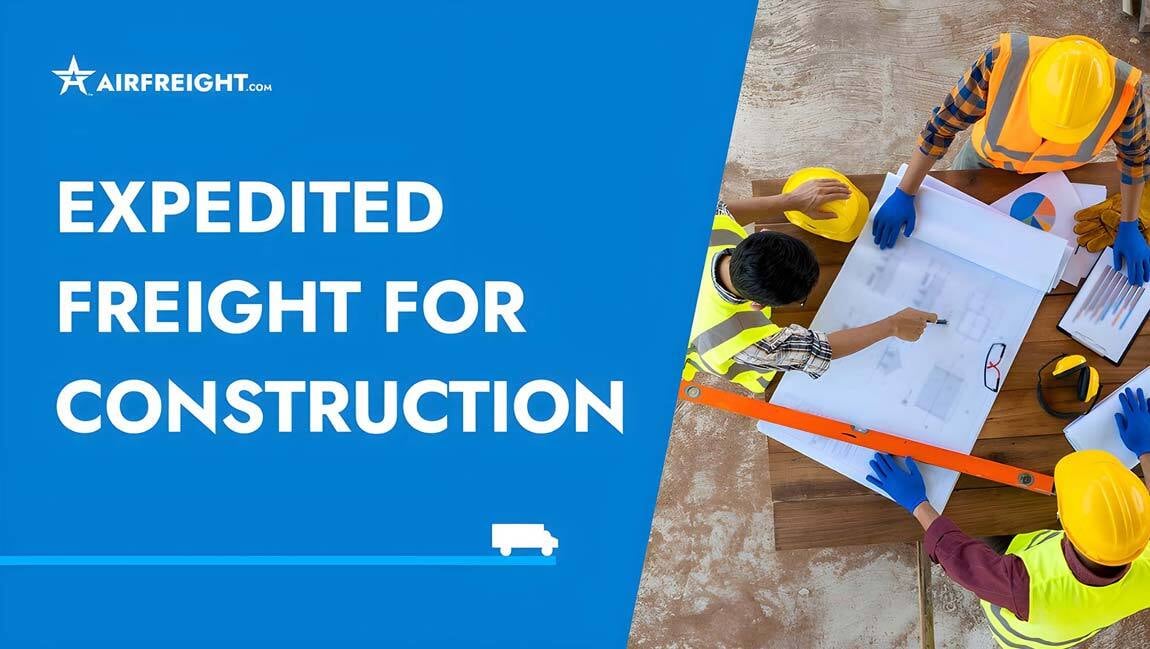
What Sets Top Truck Companies Apart
KEY BENEFITS
NATIONWIDE NETWORK
SameDayDelivery.com connects shippers to a coast-to-coast network of expedited freight services without relying on open-market capacity searches to fill orders. Our reach spans the country, giving you access to dedicated capacity across regional and long haul lanes. Established truck companies with their own trailers consistently outperform smaller operators on reliability, and our carrier network is built on that same commitment: verified credentials, and no surprises at pickup. That focus on quality is what makes this logistics company a best match for time-critical freight.
EXPLORE OUR AIRCRAFT

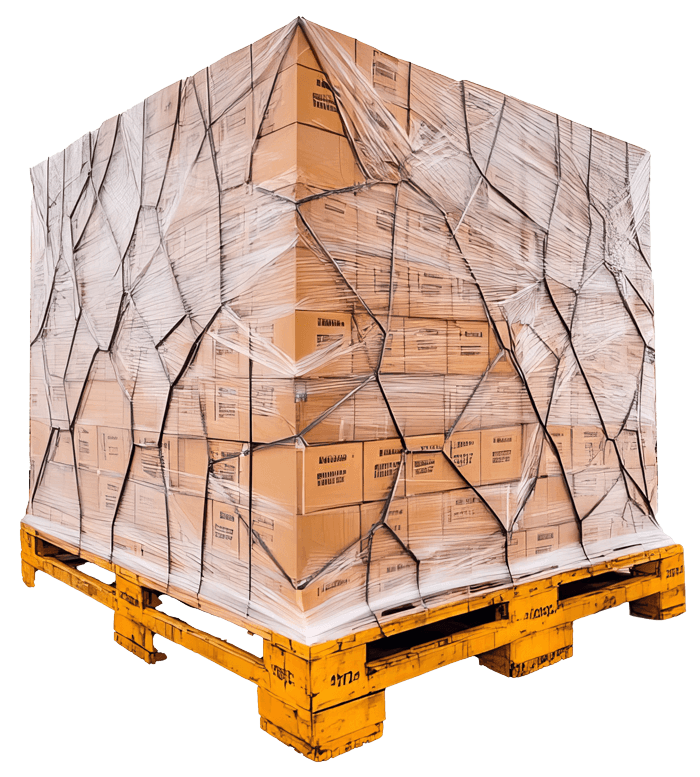

When Your Freight Needs More Than a Standard Carrier
- Same Day Delivery
- Long Haul Truckload
- Oilfield Remote Delivery
- Project Cargo Moves
- Over-the-Road Visibility
- Multi-Carrier Coordination
- Smaller Shipments, Fast

Same Day Delivery
When a shipment cannot wait for a scheduled pickup window, delivery today requires a truck company that is already moving. SameDayDelivery.com dispatches dedicated drivers within hours, using cargo vans, sprinter vans, or straight trucks depending on your load size. Day freight delivery services at this level depend on immediate carrier availability and direct routing, not an open-market search. Your freight moves without stops, without sharing space, and with a single driver committed to your delivery needs.
Long Haul Truckload
Long haul truck load freight across the country requires freight carriers with the stamina, equipment, and compliance record to run extended over-the-road routes without incident. Our coast-to-coast network of dedicated drivers covers cross-country lanes with tractor trailer capacity matched to your load. Shippers moving full truckload volumes benefit from direct routing, no relay handoffs, and real-time updates from origin to destination. Competitive rates are built into the match, not negotiated after the fact.

Oilfield Remote Delivery
Oil field equipment moves on tight schedules to sites that are difficult to access and unforgiving of delays. Our truck companies with oil field experience understand the logistics of remote site delivery, including weight restrictions, unpaved access roads, and the priority status that wellsite operations demand. We coordinate the right equipment configuration, verify permit compliance for oversized loads, and keep your team updated throughout transit with real-time updates.

Project Cargo Moves
Project cargo requires more planning than a standard truck load. Oversized dimensions, heavy weight limits, and specialized loading requirements mean the carrier selection process starts well before the pickup date. SameDayDelivery.com sources flatbed services and specialized equipment from truck companies with verified credentials in project freight. Route surveys, permit coordination, and supply chain management are handled as part of the service, not as add-ons you manage separately.

Over-the-Road Visibility
Shippers managing over-the-road freight across multiple lanes need more than a check-in call. Our logistics operations platform provides continuous real-time updates so your team knows where your freight is without relying on driver callbacks or manual status checks. Efficiency improves when exceptions are surfaced early, and our system is built to flag delays before they compound. You get the visibility of an in-house fleet without the overhead of managing one, giving you peace of mind knowing every shipment is accounted for.

Multi-Carrier Coordination
Some delivery needs span regions, equipment types, and time windows that no single carrier can cover alone. Coordinating multiple truck companies independently creates gaps in communication and accountability. SameDayDelivery.com manages the full carrier network on your behalf, matching each leg to the right truck company, maintaining a single point of contact for your team, and ensuring that handoffs do not become the weak link in your supply chain management.

Smaller Shipments, Fast
Smaller shipments that do not fill a full truck load still need expedited handling when timing is critical. Rather than routing them through a consolidated network with multiple stops and longer transit times, SameDayDelivery.com dispatches dedicated vans or sprinter vans for direct delivery. This approach keeps your freight moving on your schedule, not a consolidated carrier's, and eliminates the handling risk that comes with shared loads. Swift transportation for smaller volumes is part of our comprehensive range of shipping solutions.
TRUCKING INDUSTRY INSIGHTS
What Sets the Best Truck Companies Apart from the Rest
Expedited Freight Solutions for Time-Critical Shipments
When freight requirements demand speed above all else, expedited freight services fill the gap that standard trucking services cannot. Unlike conventional carriers that consolidate loads and follow fixed schedules, expedited freight providers assign dedicated drivers and dispatch directly to the pickup point, often within hours of booking.
Priority Routing and Dedicated Drivers
Expedited truckers operate with a single-minded focus on transit time. Dedicated drivers run point-to-point without stops, reducing handling and eliminating the delays common in less than truckload networks. This approach is particularly valuable for clients managing production line shutdowns, medical equipment deliveries, or retail replenishment under tight windows.
Advanced Logistics Technology for Real-Time Visibility
Leading truck companies integrate advanced logistics technology into every expedited shipment. GPS tracking, automated status updates, and direct communication with drivers give shippers real-time visibility from pickup to delivery. This level of transparency reduces manual processes and keeps supply chain stakeholders informed without constant check-in calls.
Expedited freight solutions also extend to cargo van and straight truck options for smaller shipments that do not require a full tractor trailer. This flexibility allows trucking companies to right-size the equipment to the load, keeping competitive rates in check while still meeting urgent deadlines.
For shipments crossing into Canada or Mexico, an extensive network of vetted motor carriers with strong safety ratings ensures legal compliance at every border crossing. Expedited freight companies operating across north america must maintain consistent service standards regardless of lane or geography, and the best ones do exactly that.

How to Identify the Right Trucking Company for Your Freight
Selecting the right trucking company requires more than comparing freight rates on a load board. Shippers need to assess safety ratings, equipment condition, and whether a carrier's operational footprint actually covers the lanes their business depends on. A solid reputation built over years of consistent performance is often a more reliable indicator than price alone.
Safety Ratings and Legal Compliance Standards
A motor carrier's safety rating from the FMCSA is one of the most objective data points available to shippers. Carriers committed to legal compliance invest in driver training, hours-of-service monitoring, and regular inspections of well maintained equipment. Trucking companies that cut corners on compliance create liability exposure for the shippers who hire them.
Fleet Maintenance and Equipment Readiness
Fleet maintenance directly affects on-time performance. Carriers with disciplined preventive maintenance programs experience fewer breakdowns, fewer load delays, and lower claims rates. When evaluating national trucking companies or smaller carriers, ask about their maintenance intervals, breakdown response protocols, and whether they operate their own fleet or rely heavily on owner operators.
The transportation industry rewards carriers that stay well equipped for a broad range of freight types. Whether the need is flatbed trucks for oversized project cargo, cargo vans for smaller shipments, or tractor trailers for full truckload moves, a carrier with diverse equipment options can handle changing freight requirements without forcing shippers to manage multiple carriers.
Operational efficiency separates average carriers from exceptional ones. Carriers that streamline dispatch, automate load matching, and maintain strong communication with clients reduce the friction that slows freight and erodes trust. The best trucking company for your operation is one that treats your freight with the same priority it would give its own business.
Ground Expedited Trucking Versus Air Freight Options
Ground expedited trucking is the workhorse of urgent freight transportation across north america. For lanes under 1,000 miles, a dedicated ground move often delivers faster door-to-door than air freight once airport handling, security screening, and ground transfer time are factored in. Truck companies specializing in expedited shipping understand this trade-off and help shippers make the right call based on distance, deadline, and cargo type.
When Ground Expedited Outperforms Air Charter Services
Air charter services carry a significant cost premium and work best for extremely long distances or when next flight out is the only option. For regional and mid-range lanes, ground expedited truckers can often match or beat air transit times at a fraction of the cost. Hotshot services using cargo vans or straight trucks are particularly effective for smaller shipments that would otherwise require expensive air freight handling.
Hotshot Services and Cargo Van Flexibility
Hotshot services give shippers a scalable option for urgent, smaller loads that do not justify a full tractor trailer. These moves use cargo vans, sprinter vans, or box trucks dispatched immediately upon booking, with no waiting for available loads to consolidate. The result is a point-to-point move that mirrors the speed of dedicated contract services at a lower cost tier.
For heavier freight, straight trucks and tractor trailers handle the bulk of ground expedited volume. Carriers with a strong presence in key freight corridors can offer consistent transit times and competitive rates because their drivers are already positioned near major shipping hubs. This network density is a core advantage that national trucking companies hold over smaller regional operators.
Trucking companies providing transportation services across multiple modes give shippers the flexibility to shift between ground and air depending on urgency and budget. This intermodal awareness, even within a ground-focused operation, reflects the kind of strategic thinking that moves business forward.
Driving Opportunities Across the Trucking Industry
The trucking industry faces a persistent driver shortage, and the truck companies that thrive are those that treat recruitment and retention as a strategic priority. Many drivers today have more options than ever, from local truck driving jobs with home-daily schedules to over-the-road truck driver positions that cover the full breadth of north america. The carriers that win the talent competition offer more than a paycheck.
Local Truck Driving Jobs Versus Long Haul Positions
Local truck driving jobs appeal to drivers who prioritize home time and predictable schedules. These positions typically involve regional delivery routes, often using cargo vans, straight trucks, or box trucks for last-mile and same day delivery operations. Long haul positions, by contrast, offer higher earning potential and the appeal of life on the road, but require drivers comfortable with extended time away from home.
Owner Operators and Load Board Access
Owner operators represent a significant portion of the trucking workforce and often partner with truck companies through load board arrangements or dedicated contract services agreements. These partnerships give owner operators access to more loads and consistent freight without the overhead of direct shipper relationships. For trucking companies, owner operators extend capacity without adding fixed fleet costs.
Driving opportunities in the expedited sector are particularly strong right now. Expedited truckers often earn premium pay per mile because the freight they carry is time-sensitive and the service standard is higher than standard over-the-road work. Carriers committed to driver respect, fair pay, and well maintained equipment consistently outperform competitors in driver retention metrics.
The logistics industry increasingly recognizes that driver quality directly affects service quality. Truck companies that invest in training, safety culture, and driver support programs deliver better outcomes for clients and employees alike. Recruiting many drivers is only sustainable when the work environment earns the word-of-mouth that keeps applications coming in.

Third-Party Logistics and Supply Chain Integration for Shippers
Third-party logistics providers and truck companies increasingly operate as integrated partners rather than separate entities. Shippers managing complex supply chain operations often rely on 3PL relationships to coordinate multiple carriers, manage freight rates, and ensure that specialized freight requirements, including hazardous materials, heavy haul, and project cargo, are handled by carriers with the right credentials and equipment.
Heavy Haul and Oilfield Equipment Transportation
Heavy haul freight requires specialized equipment, route surveys, and permits that most standard trucking companies are not equipped to manage. Oilfield equipment, industrial machinery, and oversized project cargo demand carriers with flatbed trucks, lowboys, and experience navigating the regulatory requirements of each state along the route. Carriers with a track record in oil field logistics understand the urgency and the stakes involved in keeping equipment moving.
Hazardous Materials Compliance and Intermodal Freight
Hazardous materials shipments require carriers with specific endorsements, placarding knowledge, and documented safety protocols. Shippers moving chemicals, flammables, or other regulated cargo must verify that their trucking company holds the appropriate certifications and that drivers are trained to handle incidents. Intermodal freight adds another layer of coordination, requiring seamless handoffs between rail, port, and over-the-road segments.
Best freight brokers in the market provide shippers with access to a vetted carrier network that already meets these compliance standards. Rather than qualifying each carrier individually, shippers can leverage broker relationships to tap into pre-screened capacity across a broad range of freight types and lanes. This approach reduces risk and accelerates the process of finding available loads that match specific freight requirements.
For shippers focused on the economy of their supply chain, working with truck companies that offer dedicated contract services provides cost predictability and priority access to capacity. Committed capacity arrangements protect against spot market volatility and ensure that freight moves on schedule even during peak demand periods across the transportation industry.
Expedited Freight Excellence: Explore Our Resource and Blog Section
SameDayDelivery.com is a leader in the hot shot trucking industry. Our blog and resource section offers information and resources to improve your logistics strategy.


From critical shipments to ongoing support, see why businesses continue to choose SameDayDelivery.com