

Trucking Companies
Coordinating freight across multiple carriers, load types, and delivery windows is where most shippers hit a wall. SameDayDelivery.com cuts through that complexity by matching your shipment to the right trucking company from a vetted network of professional drivers, owner operators, and established trucking companies, so your freight moves on time without the guesswork.
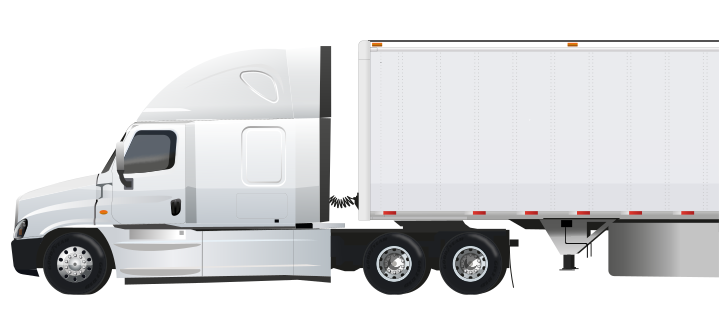





Freight Modes Across Our Carrier Network
Trucking Companies That Actually Move Your Cargo
Not all trucking companies operate the same way. Some run dedicated routes with their own equipment. Others are smaller carriers built for flexibility, covering regional freight or time-sensitive loads that larger operations will not touch. Independent operators fill surge capacity, handle specialized equipment, and often deliver the kind of direct accountability that a spot posting simply cannot replicate.
SameDayDelivery.com works across all of these tiers. Our freight carriers span national trucking companies, regional fleets, and independent operators, each vetted for safety ratings, regulatory compliance, and well maintained equipment. When your delivery needs call for a tractor trailer, flatbed services, or a committed driver on a time-critical run, we match the load to the right asset, not just the nearest available truck.
The result is a shipping experience built around your shipment, not around what happens to be available on a posting board at the moment you call. That focus on fit is what separates a best trucking company relationship from a transactional dispatch.

Expedited Full Truckload Service
When a full truckload needs to move fast, our expedited freight providers connect you to professional drivers who run direct, no-stop routes. No shared space, no relay handoffs. Your truckload shipping moves under a single driver commitment from origin to destination, with real-time updates throughout. This is dedicated trucking structured for urgency, not convenience.

Heavy Haul and Project Cargo
Oversized loads and project freight require more than a standard dry van. Our network includes flatbed trucks, step-deck, and specialized equipment for over-dimensional moves. Permit coordination, route surveys, and carrier matching are handled before the first wheel turns, giving shippers peace of mind knowing every detail is addressed in advance.

Oilfield and Tractor Trailer Loads
Oilfield equipment moves on tight timelines in remote locations. Our tractor trailer network covers oil field freight, including pipe, rig components, and pressure equipment, with trucking companies experienced in energy sector logistics, hazardous materials compliance, and site-access requirements. Swift transportation to wellsite locations is a core part of what this division of our network delivers.
WHAT WE DO
Inside the Network: Dedicated Drivers at Work
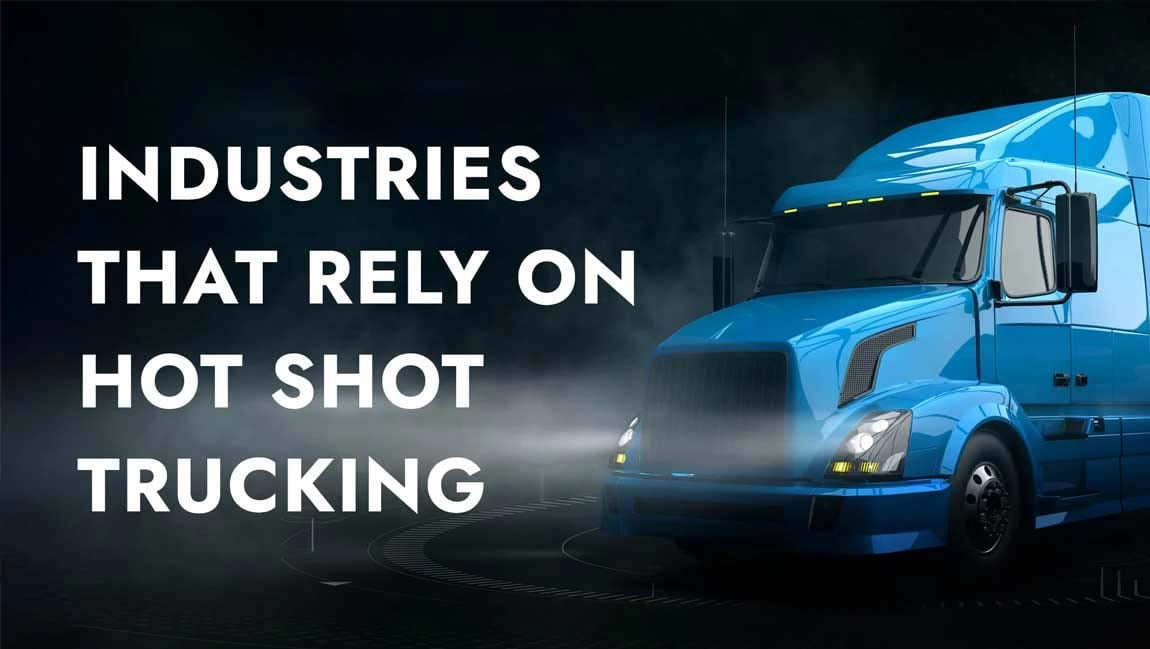
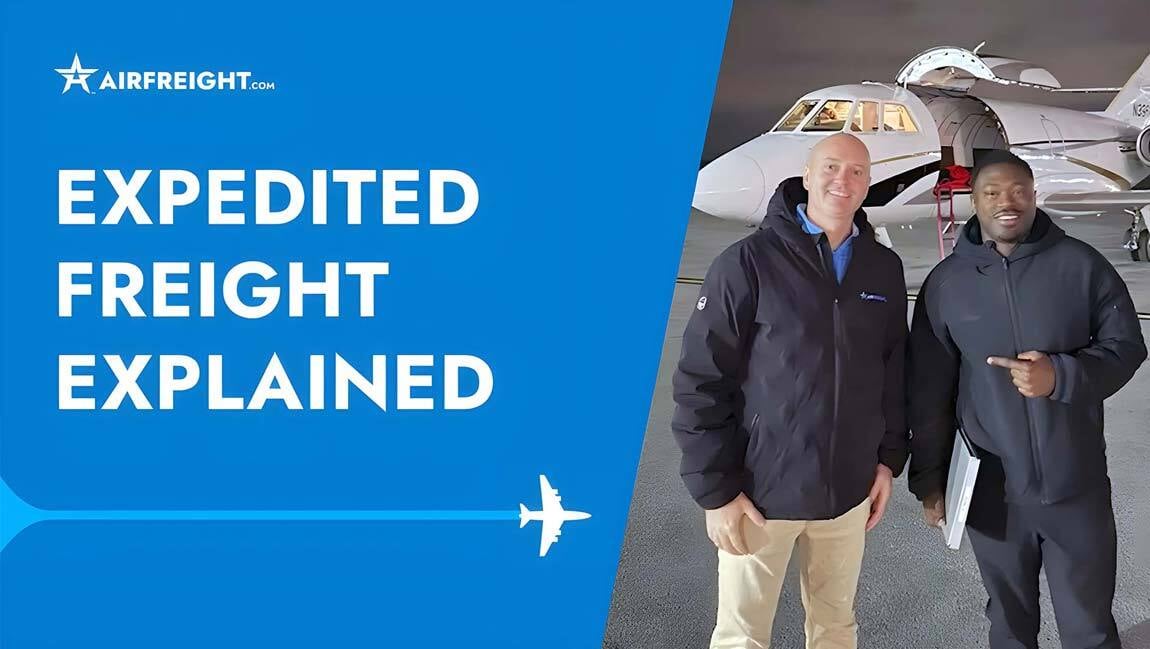
Dedicated drivers are the backbone of reliable freight transportation, and seeing how they operate within a vetted carrier network makes the difference clear. These videos break down how expedited trucking, hot shot services, and ground freight solutions work in practice across real shipping scenarios.

How We Match Your Freight to the Right Carrier
KEY BENEFITS
NATIONWIDE NETWORK
Our carrier network spans national trucking companies, regional fleets, and owner operators across North America. Rather than posting to a load board and waiting, we actively match your freight requirements to vetted carriers with the right equipment, safety ratings, and lane coverage. Multiple carriers are evaluated against your load specs before a single truck is dispatched, giving you competitive rates without sacrificing reliability or commitment.
EXPLORE OUR AIRCRAFT

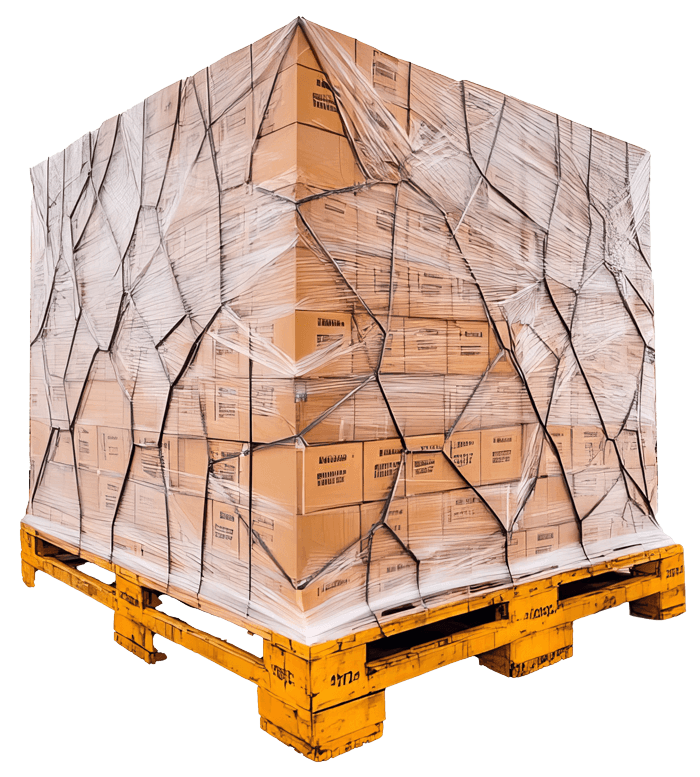

Freight Scenarios Our Trucking Network Handles
- Time-Critical Ground Expedited
- Cross-Country Long Haul
- Oilfield Equipment and Energy
- Over-Dimensional and Heavy
- Owner Operators Covering Surge
- Multi-Stop and Project Cargo
- Intermodal Freight with Ground

Time-Critical Ground Expedited Freight
When a production line stops or a critical part needs to move today, standard trucking services are not the answer. Ground expedited trucking uses dedicated drivers running direct routes, bypassing the relay stops and shared loads that add hours to standard transit. Our expedited freight services are structured for exactly this scenario: a single carrier, a committed driver, and real-time tracking from the moment the truck is loaded. Competitive rates are quoted against your specific freight requirements, not a generic lane average.
Cross-Country Long Haul Shipments
Long haul freight across North America demands more than a truck and a route. Carrier reliability, legal compliance, and well maintained equipment all factor into whether your shipment arrives intact and on schedule. Our network of over-the-road truck drivers and national trucking companies covers coast-to-coast full truckload moves with consistent communication and documented delivery confirmation. For shippers who need a solid reputation behind every load, not just the cheapest available option, this is the tier of service that delivers.

Oilfield Equipment and Energy Sector Loads
Oil field logistics operate under conditions that most standard trucking companies are not equipped to handle. Remote access roads, hazardous materials classifications, and equipment that does not fit a standard trailer all require carriers with specific experience and certifications. Our tractor trailer network includes operators who understand energy sector freight requirements, from wellsite equipment to pipe bundles and pressure vessels. Loads are matched to carriers with the right equipment, proper permits, and a track record in oilfield freight, not just the first available truck.

Over-Dimensional and Heavy Haul Cargo
Heavy haul and over-dimensional project cargo require a level of planning that goes well beyond booking a flatbed. Route surveys, state permit applications, escort requirements, and load securement all need to be addressed before the truck moves. Our carrier network includes well equipped operators with the specialized equipment and regulatory knowledge to execute these moves safely. Whether the load is industrial machinery, construction equipment, or a large fabricated component, we match it to carriers with a proven record in heavy haul freight transportation.

Owner Operators Covering Surge Capacity
When freight volume spikes and your contracted carriers are at capacity, owner operators provide the flexibility to keep shipments moving. Many drivers in our network operate independently, offering available loads coverage across lanes that larger fleets do not prioritize. Rather than relying on a load board to surface random options, we maintain direct relationships with owner operators who are vetted for safety ratings, legal compliance, and equipment condition. This gives shippers access to surge capacity without sacrificing the standards that protect their cargo.

Multi-Stop and Project Cargo Moves
Project cargo moves rarely follow a simple point-to-point pattern. Construction projects, industrial installations, and large equipment deployments often require coordinated deliveries across multiple stops, staged timing, and carriers who can adapt when site conditions change. Our team manages the full coordination layer: carrier sequencing, delivery scheduling, and exception handling across every leg. Shippers working on complex projects get a single point of accountability rather than managing multiple carriers independently and absorbing the friction that comes with it.

Intermodal Freight with Ground Leg Coverage
Intermodal freight moves efficiently over long distances, but the ground leg is where delays typically occur. Drayage gaps, port congestion, and rail schedule mismatches all create windows where cargo sits instead of moving. Our trucking network provides the ground coverage needed to close those gaps, connecting intermodal containers to final destinations with dedicated drivers and real-time tracking. For shippers who use intermodal as a cost strategy, having reliable ground leg coverage is what makes the overall supply chain work as intended.
TRUCKING INDUSTRY INSIGHTS
What Sets the Best Trucking Companies Apart

Expedited Freight Solutions for Time-Critical Shipments
When freight cannot wait for standard transit windows, expedited freight services become the operational backbone of supply chain continuity. Trucking companies that specialize in this space maintain a broad range of assets, from cargo vans and sprinter vans to tractor trailers and straight trucks, ensuring the right vehicle is matched to the freight requirements without delay.
Dedicated Drivers and Priority Load Handling
Dedicated drivers are the defining factor in expedited freight solutions. Unlike over-the-road truck drivers cycling through load boards, expedited truckers are dispatched directly to a pickup location, often within hours. This eliminates the manual processes associated with standard brokerage and keeps cargo moving on a priority basis.
Advanced Logistics Technology for Real-Time Visibility
Advanced logistics technology enables shippers to monitor freight from pickup to delivery without relying on check-call updates. Real-time tracking integrations give clients accurate ETAs and exception alerts, which is critical when managing time-sensitive production schedules or just-in-time inventory replenishment.
Expedited freight providers that invest in technology also reduce empty miles and improve load matching, which directly supports operational efficiency across their networks. Streamlining dispatch and routing through digital tools means fewer delays and more consistent service levels for shippers who depend on reliable transit.
For businesses moving smaller shipments that do not justify a full truckload, expedited options like team drivers or hotshot services can close the gap between less than truckload timelines and the speed of air freight, often at a fraction of the cost. The right trucking company will present these options transparently so shippers can make informed decisions based on urgency and budget.
Evaluating Trucking Companies: Safety, Equipment, and Network
Selecting among national trucking companies requires more than comparing freight rates on a load board. Shippers need to assess safety ratings, fleet maintenance practices, legal compliance records, and the depth of a carrier's network before committing freight to any motor carrier.
Safety Ratings and Legal Compliance Standards
A trucking company's FMCSA safety rating is one of the most objective indicators of operational discipline. Carriers with a solid reputation maintain compliance across hours-of-service regulations, hazardous materials handling protocols, and vehicle inspection requirements. Shippers moving project cargo or oilfield equipment should pay particular attention to these records, as non-compliance can result in costly delays or liability exposure.
Well Maintained Equipment and Fleet Reliability
Well maintained equipment is not a marketing phrase; it is a measurable standard. Trucking companies that invest in fleet maintenance programs experience fewer breakdowns, fewer claims, and better on-time performance. Asking a carrier about their preventive maintenance schedule and average fleet age gives shippers a clearer picture of reliability than any brochure.
Smaller carriers often compete on service quality and flexibility, while national trucking companies offer extensive networks and multiple carriers under one contract structure. The right trucking company for a given shipper depends on lane density, freight type, and how much visibility and control the shipper needs over their transportation services.
Owner operators integrated into a carrier network can extend coverage into lanes where company drivers are less available, but shippers should confirm that these operators meet the same safety and equipment standards as the core fleet. Vetting this layer of the supply chain protects both the cargo and the shipper's liability position.

Flatbed Trucks and Heavy Haul for Specialized Freight
Not all freight fits in a dry van. Flatbed trucks, step-deck trailers, and heavy haul configurations exist specifically for cargo that exceeds standard dimensional or weight thresholds. Trucking companies that operate in this space require specialized permitting knowledge, route surveys, and in many cases, escort vehicles to move freight legally and safely.
Project Cargo and Oilfield Equipment Transport
Project cargo and oil field equipment represent some of the most complex moves in the trucking industry. These shipments often involve multiple carriers, staged deliveries, and coordination with local authorities for oversize permits. Trucking companies with experience in this segment understand how to sequence loads, manage pilot car requirements, and keep projects on schedule even when routes require modification.
Tanker and Hazardous Materials Compliance
Tanker operations and hazardous materials transport add another layer of regulatory complexity. Carriers must hold appropriate endorsements, maintain compliant placarding, and ensure drivers are trained to handle spill response and emergency procedures. Shippers moving chemicals, fuel, or other regulated commodities should verify that their carrier's legal compliance documentation is current before tendering a load.
Heavy haul moves also demand well equipped assets, including lowboys, RGNs, and multi-axle configurations capable of distributing weight within legal limits. Trucking companies that own their fleet outright have more control over equipment availability and condition than those relying entirely on spot market assets.
For shippers in the energy sector, having a committed carrier with a strong presence in oilfield corridors reduces the friction of sourcing available loads on short notice. Establishing a dedicated contract with a carrier that knows these lanes eliminates the variability of the spot market and keeps business forward momentum intact.
Ground Expedited Trucking Vs. Air and Intermodal Options
Ground expedited trucking occupies a critical position between standard truckload transit and air freight. For shipments that need to move today but do not justify the cost of the next flight out, a dedicated ground expedite provides door-to-door speed with more flexibility on freight dimensions and weight than air cargo allows.
Same Day Delivery and Next Day Ground Options
Same day delivery via ground expedite is achievable across regional corridors when a carrier maintains a distributed network of available drivers and vehicles. Trucking companies that operate cargo vans, sprinter vans, and straight trucks in major markets can often respond faster than air freight when factoring in airport processing, cutoff times, and final-mile handoffs.
Intermodal Freight as a Cost-Efficient Alternative
Intermodal freight combines rail and truck movements to reduce cost on longer lanes where transit time is more flexible. While intermodal does not match the speed of expedited truckers, it offers a middle ground between full truckload pricing and the premium of air charter services. Trucking companies that provide intermodal options give shippers more tools to balance cost and speed based on actual freight requirements.
For shipments moving across North America on tight timelines, the decision between ground expedite and air often comes down to distance and pickup window. Trucking services that include team drivers can cover 1,000 to 1,500 miles in a single continuous run, matching or exceeding next day air timelines on many lanes without the dimensional restrictions of air cargo.
Providing transportation services that span ground, air, and intermodal options under one point of contact simplifies vendor management for logistics teams. Shippers benefit from a single carrier relationship that can flex to meet varying freight requirements rather than managing separate contracts across multiple carriers for each mode.
Driving Opportunities Across the Trucking Industry
The transportation industry continues to face a structural shortage of qualified truck drivers, making driving opportunities at reputable trucking companies increasingly competitive. Companies that treat employees and owner operators with respect, offer competitive rates, and invest in driver development consistently attract and retain better talent than those focused solely on cost reduction.
Local Truck Driving Jobs vs. Long Haul Positions
Local truck driving jobs appeal to drivers who prioritize home time and predictable schedules, while long haul positions offer higher earning potential for those willing to spend extended time on the road. Many trucking companies structure their fleets to include both, giving drivers a path to transition between roles as their life circumstances change. This flexibility is increasingly important for retention in a tight driver market.
Owner Operators and Driving Opportunities for Independent Drivers
Owner operators who join a carrier network gain access to more loads, back-office support, and fuel programs that reduce the administrative burden of running an independent trucking business. For many drivers, leasing onto an established carrier provides the income stability of employment with the autonomy of independent operation. Trucking companies that are committed to fair settlements and transparent load assignment tend to attract experienced operators who could work anywhere.
Many drivers also consider a trucking career based on a company's safety culture and equipment quality. Drivers who operate well maintained equipment experience fewer roadside inspections that result in violations, which protects their CDL record and keeps them moving. A company's safety ratings reflect not just compliance, but how seriously leadership treats the people behind the wheel.
For those entering the logistics industry, the range of roles extends beyond driving. Dispatch, fleet management, and operations positions offer career paths that leverage knowledge of the transportation industry without requiring time on the road. Trucking companies with structured internal mobility give employees a reason to stay and grow within the organization.
Expedited Freight Excellence: Explore Our Resource and Blog Section
SameDayDelivery.com is a leader in the hot shot trucking industry. Our blog and resource section offers information and resources to improve your logistics strategy.


From critical shipments to ongoing support, see why businesses continue to choose SameDayDelivery.com